Obsession: Best Horror Romance Of 2026
If you've watched You, you know that feeling—that creeping dread watching Joe stalk Beck, watching someone twist intimacy into something poisonous. Netflix made that premise addictive, showing us how a guy's "love" could destroy everything around him. Millions of people binged it, got uncomfortable, kept watching anyway.
But here's where this new film Obsession gets interesting. It's not interested in the predator angle. It's basically asking: what if both of them were equally messed up? What if the obsession went both ways, and neither of them could stop it?
This isn't just another entry in the horror lineup. It's doing something different with the whole obsession thing—it's messier, weirder, and honestly, way more disturbing than the You setup because there's no clear villain to root against. Nobody to blame. It's just two people trapped in something they both created and both want and both can't escape.
When Both People Are Drowning
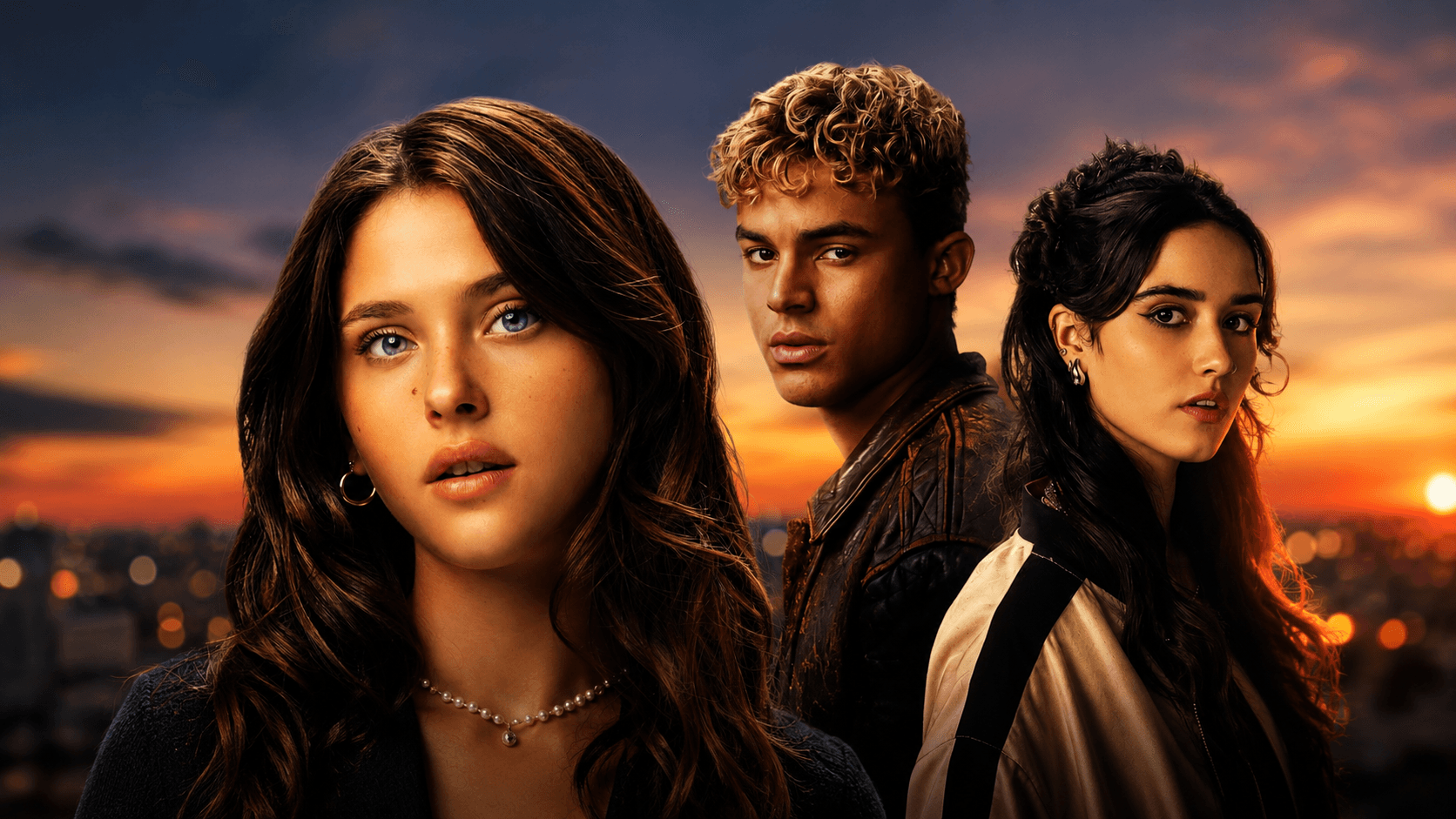
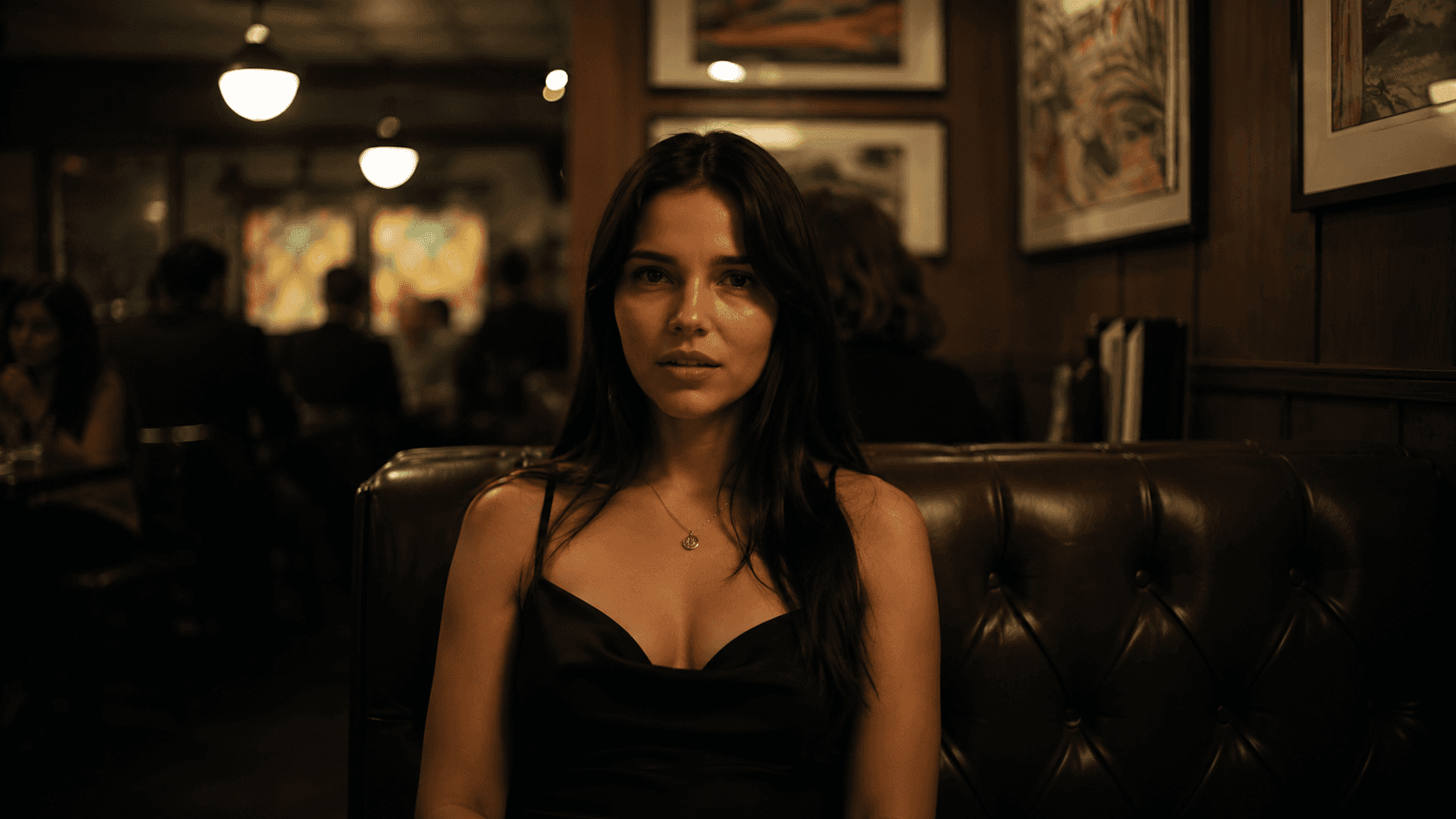
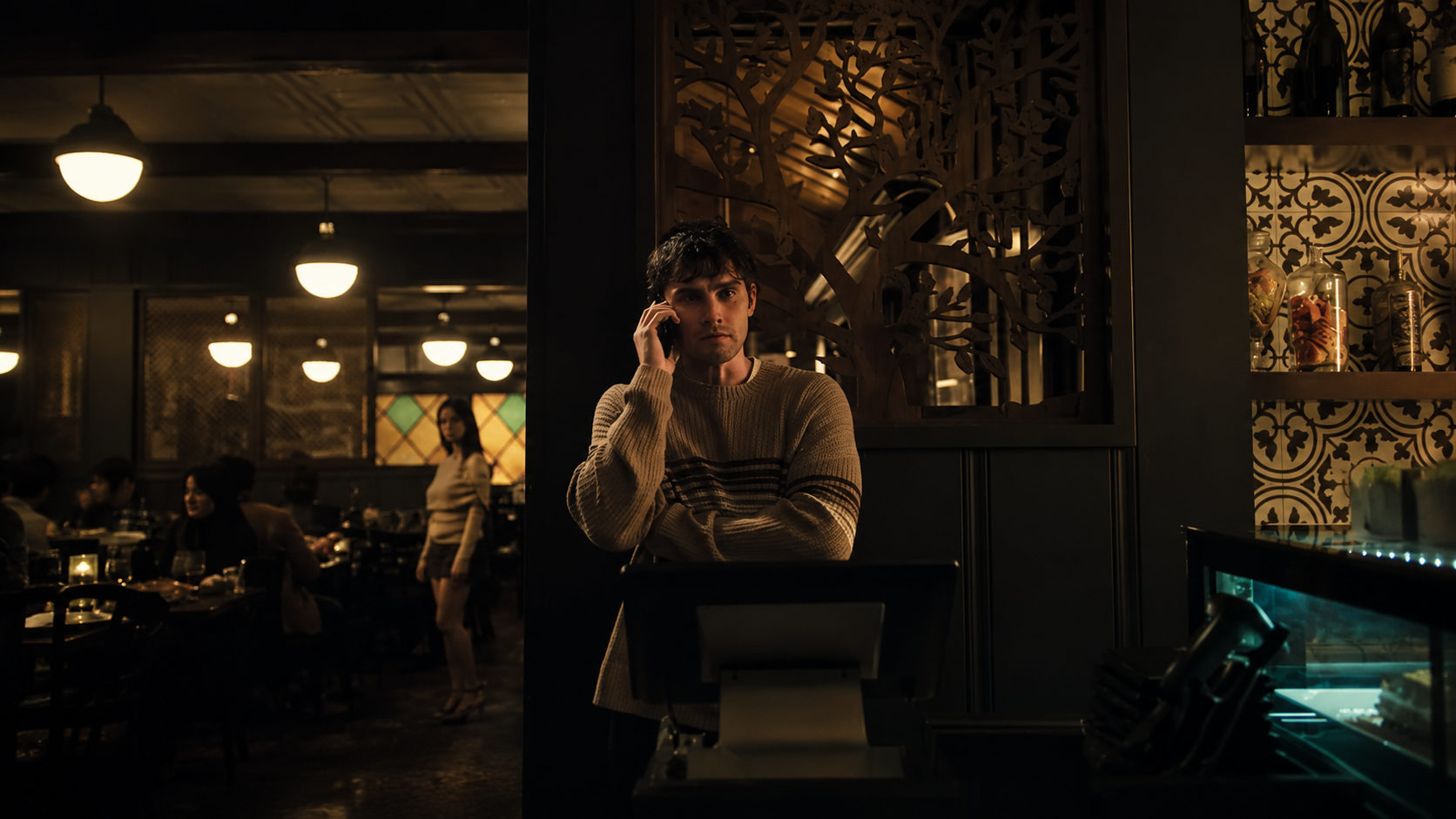
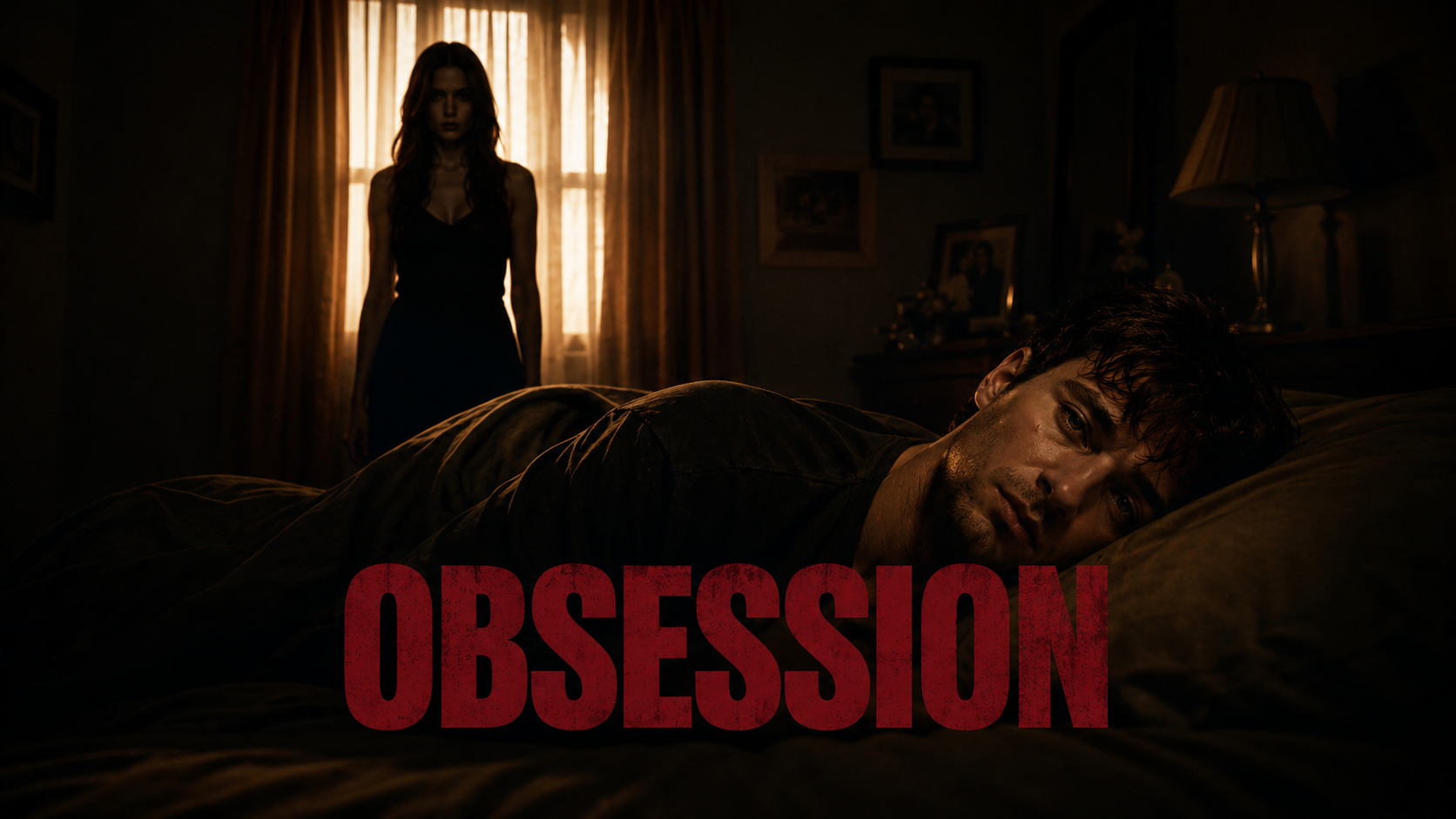
Look, what gets you about this film is that neither character is obviously the bad guy. There's this whole thing with a willow tree, a wish—the kind of magical premise that could be cheesy but somehow works—and suddenly both of them are bound to each other in ways they can't undo. The woman isn't some passive victim who gets targeted. She's actively, desperately obsessed with him, just like he is with her. They're trapped together in a way that feels less like predator-and-prey and more like... mutual collapse.
In You, there's always that clarity, right? Joe is the problem. He's the one doing the stalking, the one whose obsession is the disease. But this movie flips that. The actress character isn't falling victim to some guy's weird pathology—she's burning just as intensely. Her obsession is just as real, just as consuming. She wanted this (sort of, through the wish), and now she can't escape it, and honestly neither can he.
That actually makes it scarier. When obsession is one-directional, you can at least identify the problem person. You can feel superior watching it from your couch. But when it's mutual, when both people are equally unhinged and equally devoted? That's when you start asking uncomfortable questions about what love even is, and whether it's even possible for it not to destroy people when it gets intense enough.
2026 Is Kinda the Horror Year
And here's the thing—Obsession isn't just sitting there on its own. Horror is having a moment right now, like an actual moment. We've got the whole Evil Death franchise going strong, with Evil Death Rise coming in hard and Evil Death Run following up, and honestly? People are showing up. Like actually showing up to theaters for horror films that want to mess with their heads, not just jump-scare them and call it a day.
This year feels different than the horror boom everyone was talking about five, ten years ago. Back then, horror was making money but it still felt kind of like the weird cousin at the dinner table. Now? It's the conversation. Critics are taking it seriously. Awards shows are paying attention. It's not just profitable—it's actually important somehow.
I think what's happening is that filmmakers stopped treating horror like a shortcut to revenue. They actually started caring. The directors working in this space right now aren't hacks trying to make quick cash off jump scares. They're people with actual vision, actual things to say, and horror is just the vehicle they chose. Which makes sense when you think about it—horror lets you explore dark stuff about society, about people, about what we're actually afraid of in ways that feel more honest than other genres allow.
The History of Horror Being Honest
Here's what horror has always gotten right—it's not afraid to look at the stuff that makes people uncomfortable. Like, way back, Annabelle in the '80s set up this whole thing where you could use supernatural stuff to dig into real psychological terror. Then The Conjuring came along and proved that people would actually pay serious money to see intelligent horror films. Not slasher flicks or cheap scares, but actual craft.
And then there were all these films that got into the religious angle—priests, demons, evil, all of it. Those movies were doing something interesting that people don't always notice: they weren't really about monsters. They were about belief, about institutions failing people, about what happens when faith cracks. There's something genuinely unsettling about exploring that stuff through the lens of horror because it forces you to confront ideas you might normally avoid.
The difference with what's happening now is that modern horror filmmakers aren't hiding behind supernatural setups as much. Sure, the supernatural is still there, but increasingly, horror is getting in your face about real stuff. Your relationship with the person you love most. The apps on your phone. How close you are to completely losing it over someone. Those things are scarier than demons these days, honestly, because we're actually living them.
Love Becomes the Monster
This is where the film gets actually bold. It's basically saying that love—real, genuine, not-twisted-by-some-villain love—might be the scariest thing that can happen to you. Not obsession that's been corrupted or possessed by evil, but the regular kind of love that just gets too intense.
Horror films have done obsession before, sure. Possessive relationships, jealousy, all of that. But this is different. It's arguing that if you love someone enough, deeply enough, the line between devotion and horror just... disappears. And that's genuinely unsettling because you can't fix it with a therapist or better communication. It's just there.
The ending especially gets at this. The guy dies, and you're supposed to understand why—because if he lived, he'd just destroy her. Not out of malice but just because that's what his existence would do to her. She'd tear apart everyone and everything to keep him alive and sane. So he makes the only choice that lets her keep being herself. It's weirdly romantic and completely devastating at the same time.
She makes it through, but like... does she? Her soul's still there or whatever, but she's changed. She's been through something so extreme and so consuming that she'll never be the same. That's not a happy ending. That's just what surviving that kind of love looks like.
Why We Actually Need This Right Now
Look, we're in this weird moment with relationships and technology mixed together in ways that didn't exist before. You can watch someone's Instagram story at 2 AM and suddenly you're thinking about them obsessively. Algorithms know what you like before you do. A "like" feels like intimacy. Stalking someone has become so normalized that half the time you don't even realize you're doing it—you're just scrolling.
You tapped into that anxiety brilliantly by making it explicit and predatory. But Obsession is pointing at something that might be even more uncomfortable: what if the problem isn't that one person is twisted, but that desire itself is the problem? What if when you love someone, really truly love them, there's just inherent darkness in that?
The film won't let you off the hook with "communicate better" or "healthy boundaries." It's basically saying those things don't matter if the intensity is already there. The damage is in the feeling itself, not in how you handle it. That's actually terrifying because you can't fix it. You can't self-help your way out of loving someone too much. It's just... there.
Worth Your Time
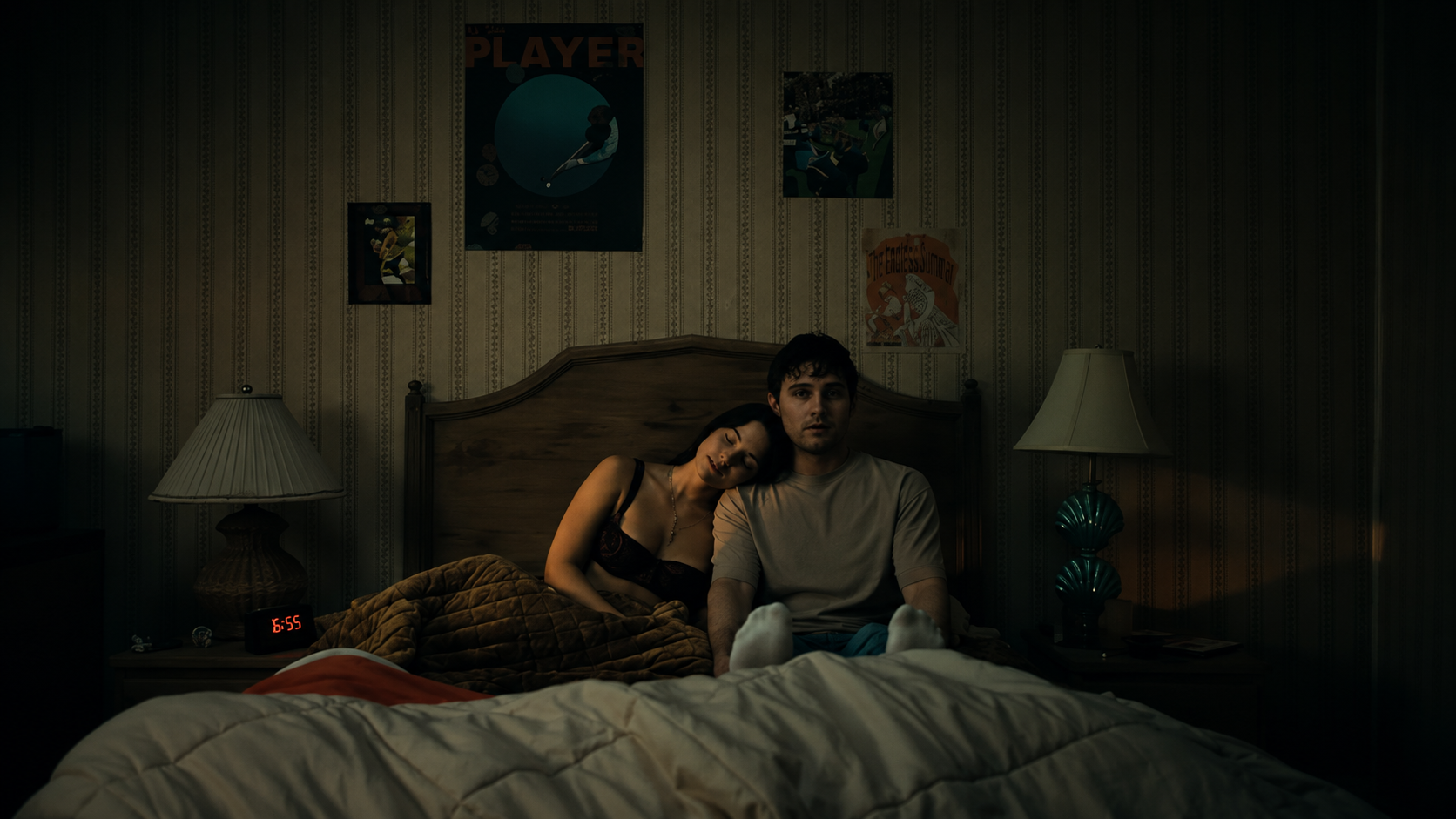
What's interesting about Obsession is that it doesn't try to tie things up neatly. There's no moment where either character figures it out or gets rescued or learns a lesson. It just ends with both of them broken in different ways, and you're supposed to sit with that. Which is kind of what makes it a standout film—especially for 2026.
Horror, when it's actually good, isn't afraid to explore the stuff we usually keep polite. But this year's horror films are going somewhere else entirely. They're not just splashing blood on screen or showing you jump scares. They're actually asking hard questions about the nature of human connection and desire and whether any of that is survivable.
Obsession basically argues that the scariest thing isn't a supernatural entity or a masked killer. It's loving someone so intensely that it destroys you. It's recognizing yourself in someone so completely that you can't tell where you end and they begin. And maybe that's why horror has become the only genre willing to tell honest stories about what we're actually afraid of anymore.
The Ending Nobody Knows How to Feel About
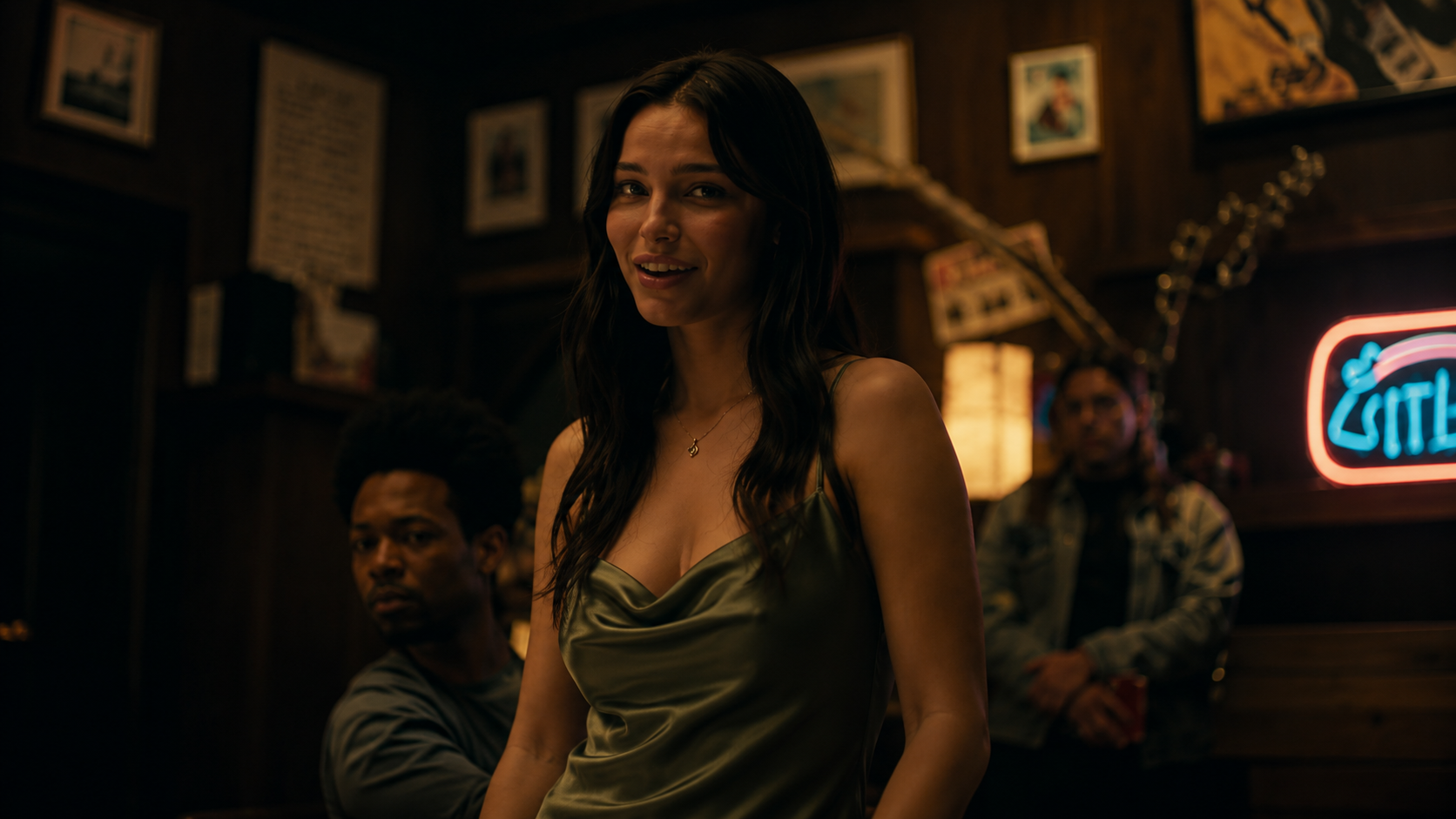
By the time it ends, both of them are basically destroyed. He's gone. She's... alive, technically, but hollowed out by grief and revenge in a way that doesn't feel like surviving so much as just continuing. And here's the thing nobody agrees on: is that a tragedy or is it a warning? Is it a love story or a horror film? Depending on who you ask—or honestly, depending on what kind of person you are—the answer changes.
That uncertainty is actually genius because it means the film isn't telling you what to think. It's just showing you two people who loved each other to death, literally and figuratively, and asking you to figure out if that's beautiful or terrifying. For most people it's somehow both.
That's probably why Obsession hit different than other horror films this year. It doesn't have a clean ending where the monster dies and everyone goes home. It doesn't have a character who learns a lesson and changes. It just ends with wreckage, and you're supposed to decide what you think about it. Which is exactly why people can't stop talking about it.
Maybe that's the real legacy of 2026's horror moment—not the jump scares or the franchises or the box office records, but the fact that horror became the only place where filmmakers were brave enough to actually hurt people. To make you question the most fundamental thing about being human, which is loving someone.
Love being horror, and horror being love.