Enola Holmes: Millie Bobby Brown Proves Biggest Hit with Henry Cavil
There's something quietly satisfying about a franchise that knows when to stop. Netflix's Enola Holmes saga, which turned Millie Bobby Brown into one of the streamer's most bankable stars outside her day job in Hawkins, wrapped up its story on July 1, 2026, with Enola Holmes 3 — a film that trades London fog for Maltese sunshine and swaps its usual coming-of-age playfulness for something considerably darker.
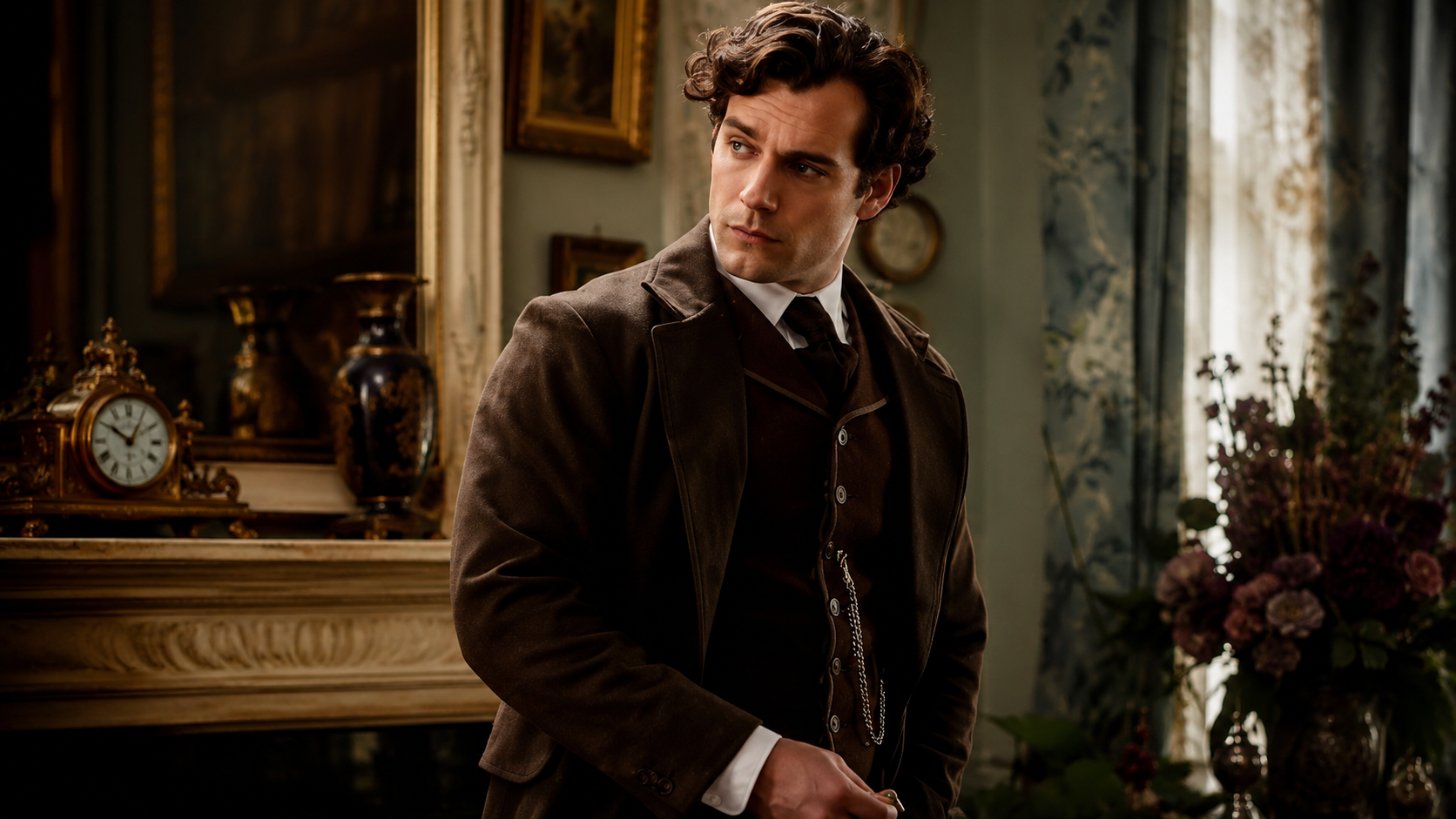
From Boarding School Runaway to Bride-to-Be
To understand why the third film lands the way it does, it helps to remember where this all started. The first movie introduced us to a teenage Enola, raised in near-total independence by her mother Eudoria (Helena Bonham Carter) while her two older brothers built their own lives elsewhere — Mycroft as a stiff, status-obsessed businessman, and Sherlock as, well, Sherlock. When Eudoria vanished without warning, it was Mycroft who stepped in with the blunt instrument of a solution: ship Enola off to finishing school, where she'd be groomed into a "proper" young lady whether she liked it or not.
She did not like it. Enola bolted from that school almost immediately, correctly betting that her mother had left a trail of clues meant only for her. That escape set the tone for everything that followed — a girl who'd rather chase the truth on her own terms than wait for permission from the men in her family, however well-meaning they thought they were being.
Along the way she crossed paths with Viscount Tewkesbury, a young aristocrat targeted by relatives with a financial interest in seeing him disappear. Their partnership curdled into something more, and by the second film Enola had traded amateur sleuthing for an actual detective agency, deliberately underpricing herself to build a reputation rather than a bank account. It's a small but telling character choice: this was never a story about a girl who wanted to be rich. She wanted to be good at something, and to be taken seriously while doing it.
Malta, a Kidnapping, and a Wedding Gone Sideways
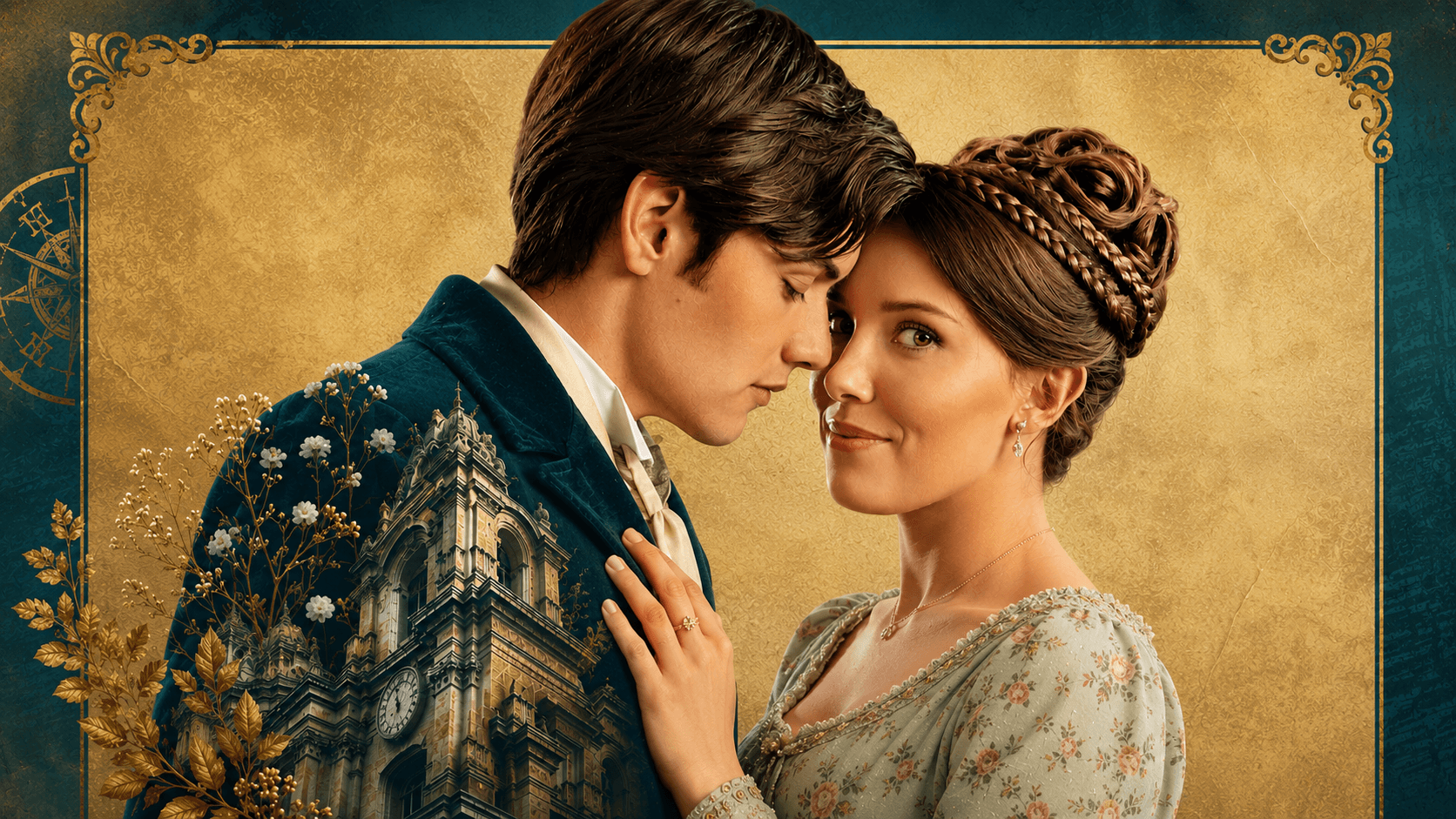
The official logline promises that "adventure chases detective Enola Holmes to Malta, where personal and professional dreams collide on a case more tangled and treacherous than any she has faced before," and that collision is the engine of the whole film. The plot finds Enola preparing for her wedding to Tewkesbury, a milestone complicated almost immediately when Sherlock is kidnapped. TV InsiderWikipedia
It's a clever bit of structural irony — the film built around a wedding barely lets its heroine near the altar. Instead, Enola has to fall back on the one skill nobody can take from her: reading the clues her brother, ever the meticulous planner, has left behind almost by instinct, even under duress. There's a nice symmetry in that. The girl who once tracked her missing mother by decoding coded newspaper messages is now doing the same thing for the brother who inspired her career, and this time the emotional stakes cut both ways. Sherlock, famous for preaching detachment as the detective's greatest asset, is forced to confront how badly emotion can hijack even the sharpest mind — a lesson Enola has learned the hard way more than once herself.
The returning cast reads like a reunion of the franchise's core: Millie Bobby Brown as Enola, Louis Partridge back as Tewkesbury, Henry Cavill again as Sherlock, Himesh Patel stepping in as Dr. Watson, Helena Bonham Carter reprising Eudoria, and Sharon Duncan-Brewster continuing her run as Moriarty. It's rare for a threequel to hold onto this much of its ensemble without a single major defection, and that continuity gives the finale a lived-in warmth even as the plot ventures somewhere new.
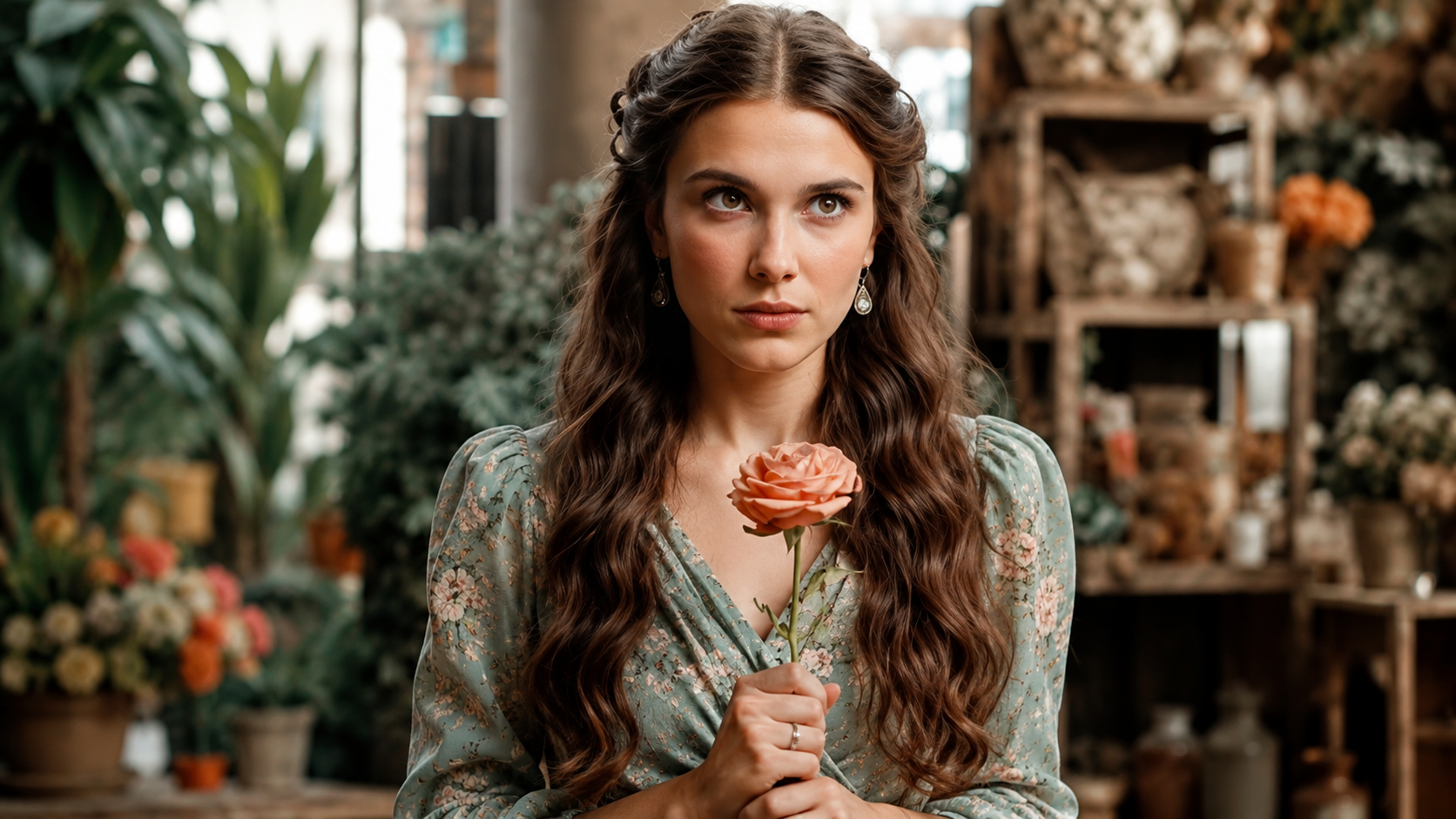
A New Director, A Darker Register
Perhaps the most notable behind-the-scenes shift is that this is the first Enola Holmes film not directed by Harry Bradbeer, with Philip Barantini taking over behind the camera from a script once again written by Jack Thorne. Bradbeer's fingerprints — the fourth-wall winks, the breezy visual gags, the sense of a Victorian world lit up like a pop music video — defined the first two entries. Handing the reins to Barantini, best known for the unbroken tension of Boiling Point, signals a deliberate tonal pivot.
That pivot was apparently intentional from the pitch stage. Barantini reportedly described his vision for the threequel as aiming to do for the franchise what The Prisoner of Azkaban did for the Harry Potter series — shorthand, in franchise-speak, for "same characters, considerably more shadow." Given that the plot hinges on an abduction and forces its emotionally guarded lead detective into genuine panic, it's not hard to see the throughline. Whether audiences wanted their charming Victorian romp to grow teeth is a separate question, but the ambition is clear: this isn't a film content to coast on the goodwill of its predecessors.
Why the Formula Keeps Working
Part of what's made this franchise durable is the same thing that makes any good detective story addictive — the audience gets to solve alongside the protagonist rather than simply watch her solve. Enola's habit of breaking the fourth wall to walk viewers through her deductions (a device inherited from the Bradbeer films, and reportedly preserved in some form here) turns passive viewers into active participants, which is a big part of why the earlier films performed the way they did on Netflix's charts. The original Enola Holmes was, for a stretch, among Netflix's most-watched films ever, and the sequel picked up over 158 million hours watched in its global top ten run. That's not a fluke of algorithm placement — it's a testament to how well the "case you can solve too" structure travels across audiences who don't normally gravitate toward period drama.
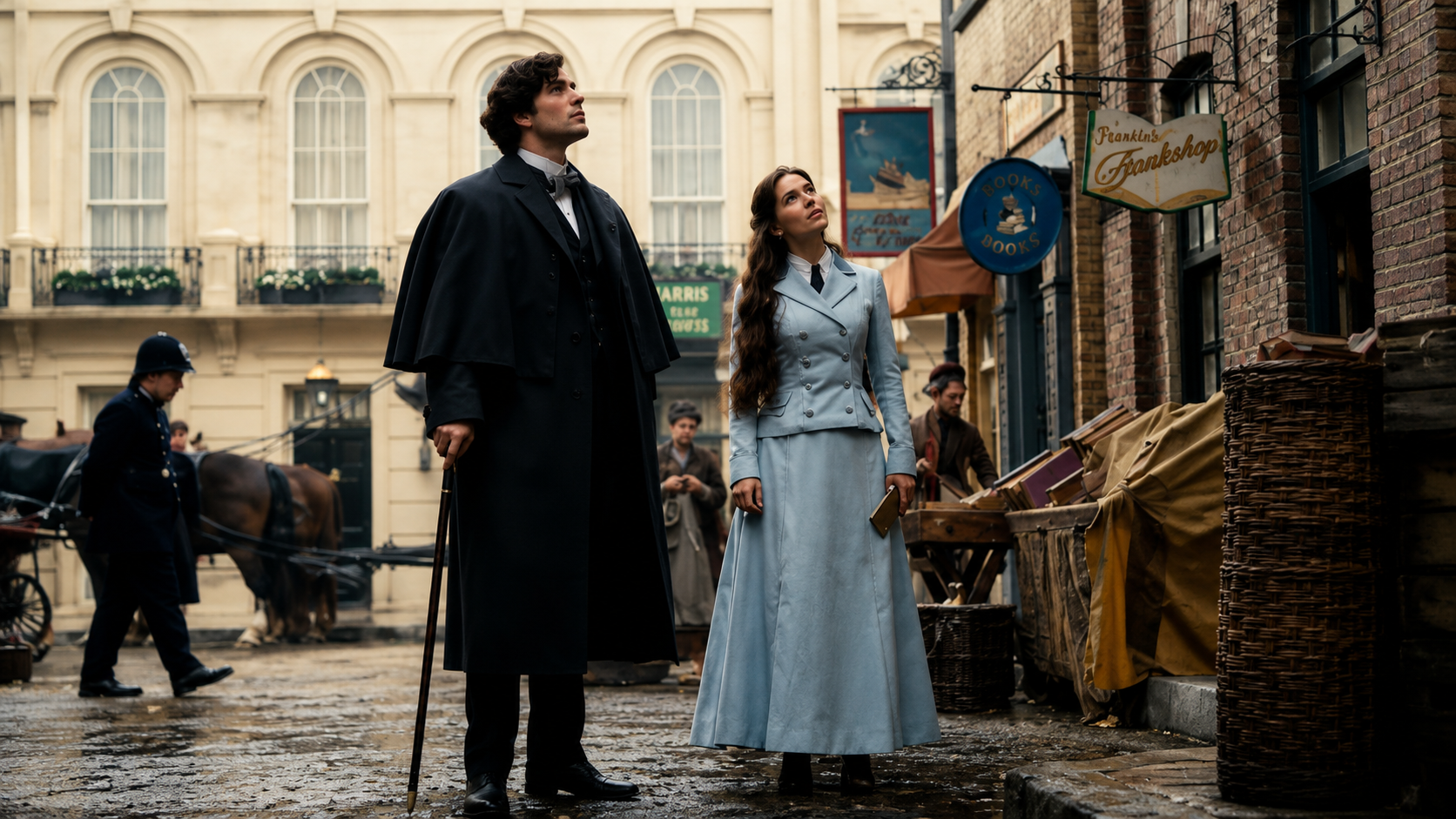
The Ending That Isn't Really an Ending
There's a thematic argument buried in the choice to center this film on a wedding rather than let it happen quietly offscreen: marriage, in most of these stories, gets treated as a finish line, the tidy bow on a romance arc. Enola Holmes 3 seems to push back on that assumption. A wedding disrupted by a kidnapping isn't just plot mechanics — it's the film insisting that a marriage isn't where a person's story stops. If anything, the movie seems to argue the opposite: that committing to another person, and to a name, an identity, a new chapter, is where the real story starts, not where it ends. For a character built entirely around the idea that a woman doesn't need to be "completed" by anyone, that's a fitting note to close a trilogy on — assuming, of course, this really is the end and not just Netflix keeping its options open for a fourth run through the fog of London (or, perhaps, the sun of Malta).
With a trim 105-minute runtime and a cast this committed to the material, Enola Holmes 3 doesn't need to overstay its welcome to make its case. It just needs to prove, one last time, that the smartest person in any room the Holmes family walks into was never actually Sherlock