Your Fault (London): Love, Betrayal and the Sibling twist
Some love stories are built to travel. Mercedes Ron's Culpables trilogy started life as a Wattpad serial, became a Spanish-language film phenomenon on Prime Video, and has now been remade for English audiences with an entirely new cast and crew — proof that the appetite for Noah and Nick's messy, taboo, thoroughly addictive romance isn't slowing down anytime soon.
From Wattpad to a Second Adaptation
The Culpables series began with My Fault, or Culpa Mía, first published as a serialized story before becoming a bestselling novel. The 2023 Spanish film adaptation, directed by Domingo González and starring Nicole Wallace and Gabriel Guevara, turned the central pairing into something close to a cultural phenomenon across Latin America and Spain, and Prime Video followed it up quickly with sequels — Culpa Tuya arriving on December 27, 2024, and Culpa Nuestra closing out the trilogy in late 2025.
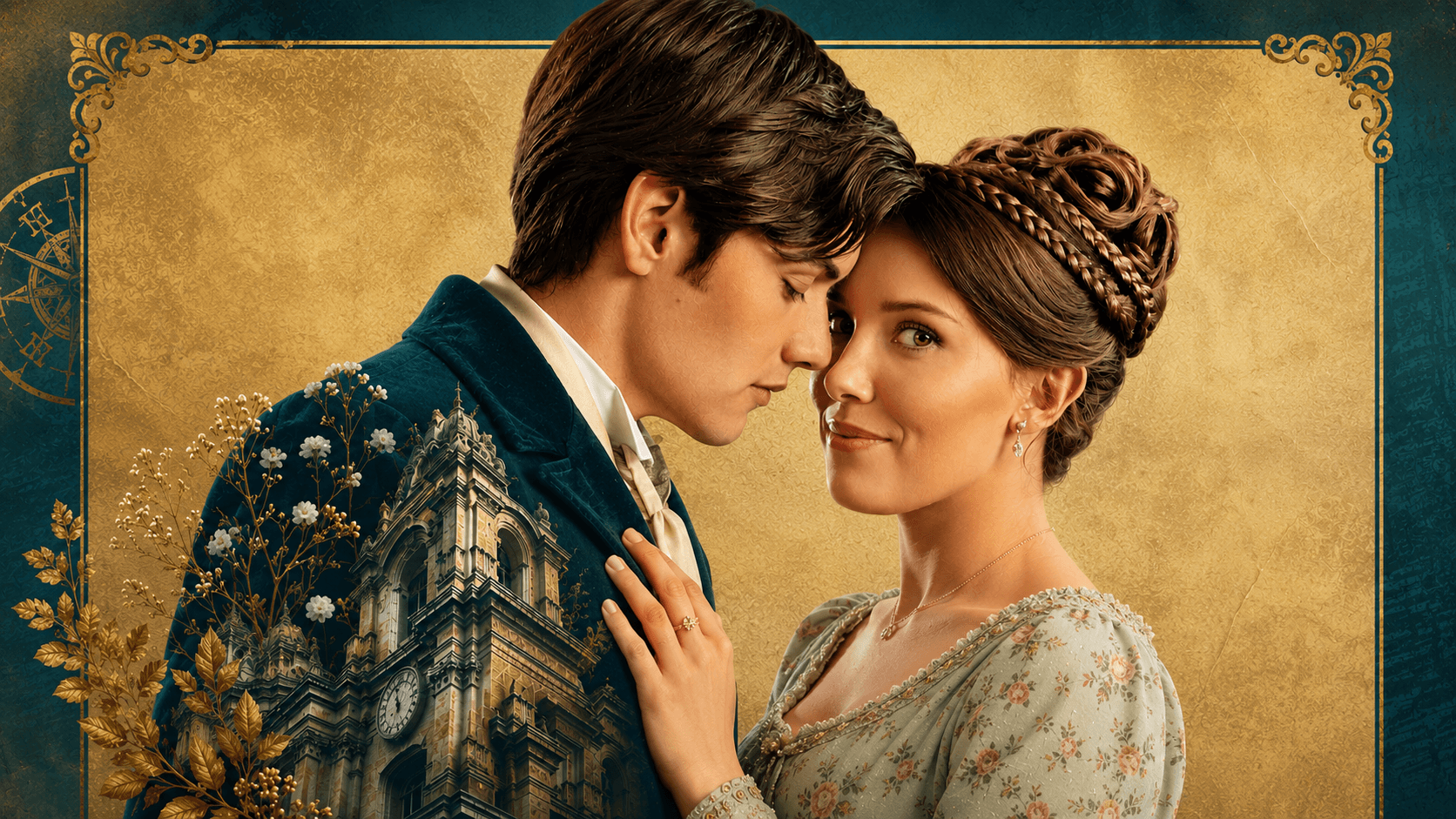
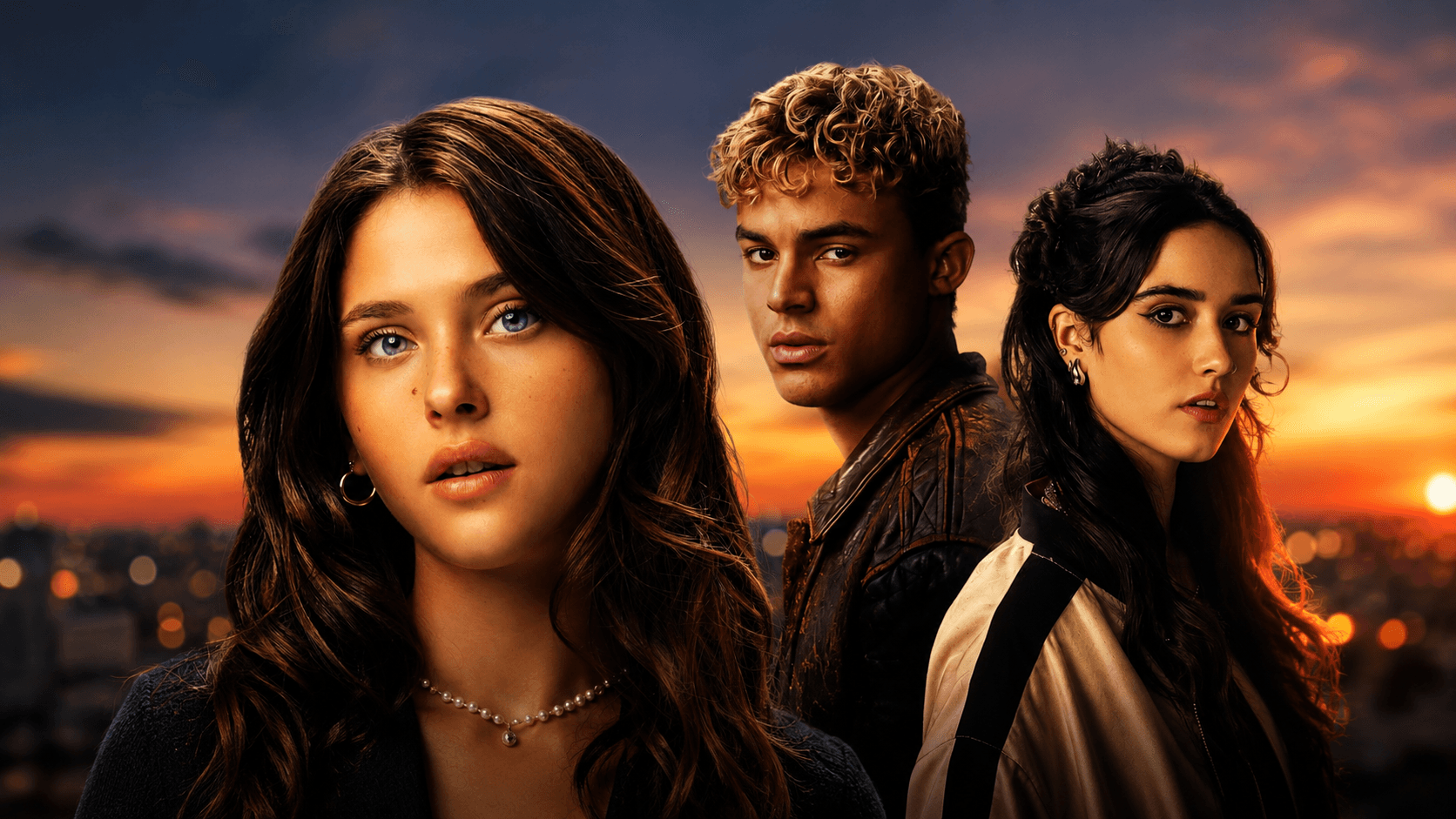
But rather than stop there, the franchise has now been rebuilt from the ground up for English-speaking audiences. Your Fault: London is a British romantic drama that follows 2025's My Fault: London, with Dani Girdwood and Charlotte Fassler returning as directors, and Asha Banks and Matthew Broome reprising their roles as Noah and Nick. The film is set for release on June 17, 2026, produced by Amazon MGM Studios and 42, with filming having taken place in London back in June 2025. It's a full localisation rather than a dub — new setting, new cast, same emotionally combustible source material.
The Setup That Makes Everyone Uncomfortable On Purpose
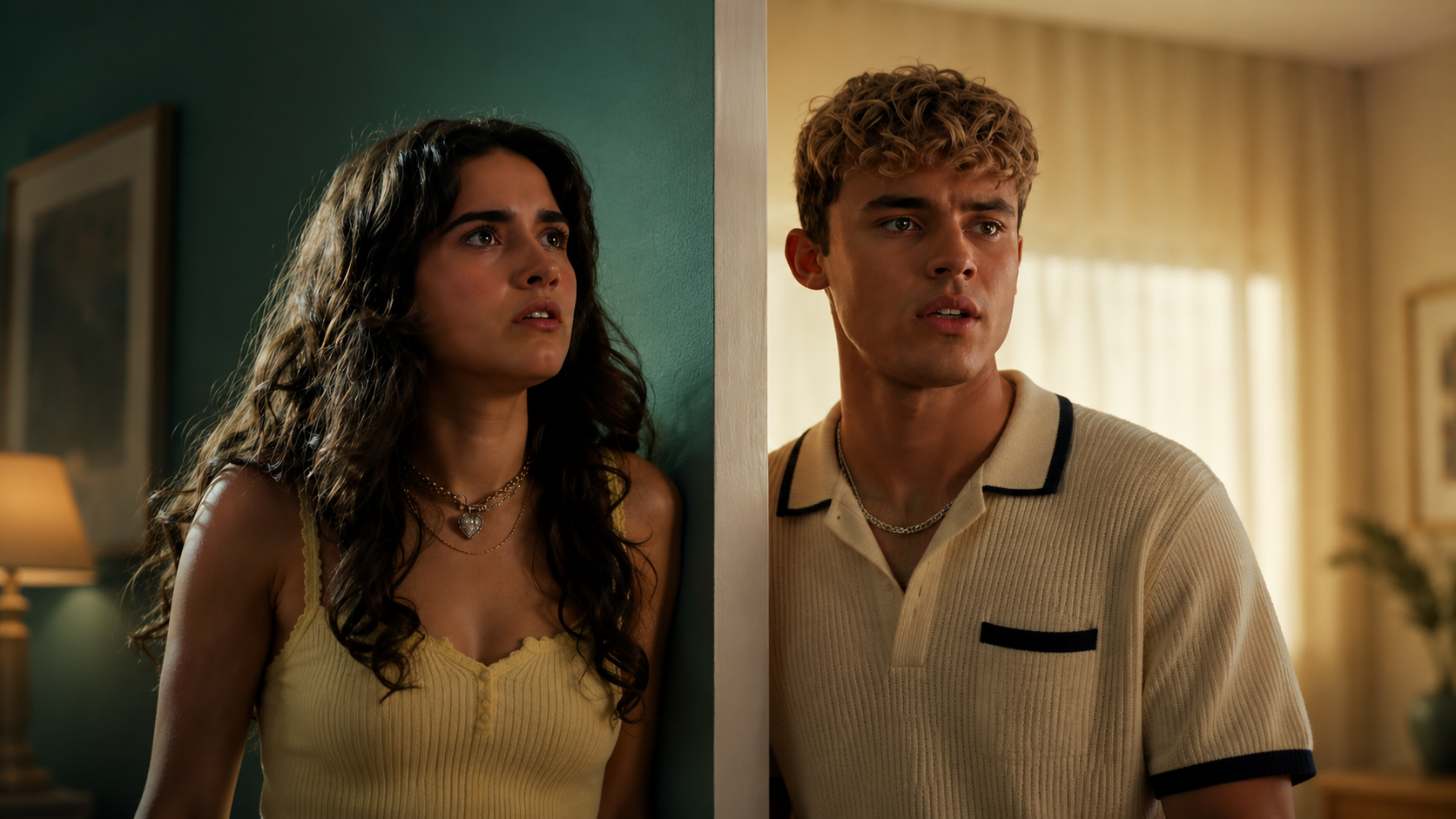
The premise hasn't changed across any of its versions, Spanish or English, because the discomfort baked into it is exactly the point. Noah is a young woman adjusting to a new life after her mother marries a wealthy man named William, and she immediately clashes with her new stepbrother — a rebellious teenager who represents everything she claims to dislike in a man. Their early hostility slowly curdles into something else entirely, and the relationship that follows is complicated by the fact that, on paper, these two are now family.
It's melodrama with a very specific engine: throw two people who are deeply drawn to each other into a household where acting on that attraction is explicitly forbidden, then watch the walls close in. My Fault establishes that dynamic. Your Fault escalates it — the sequel picks up with Nick and Noah's relationship now discovered by their disapproving parents, and the two refusing to be separated despite the fallout, even as Nick's own troubled past resurfaces to complicate things further.
New Faces, Familiar Heartbreak
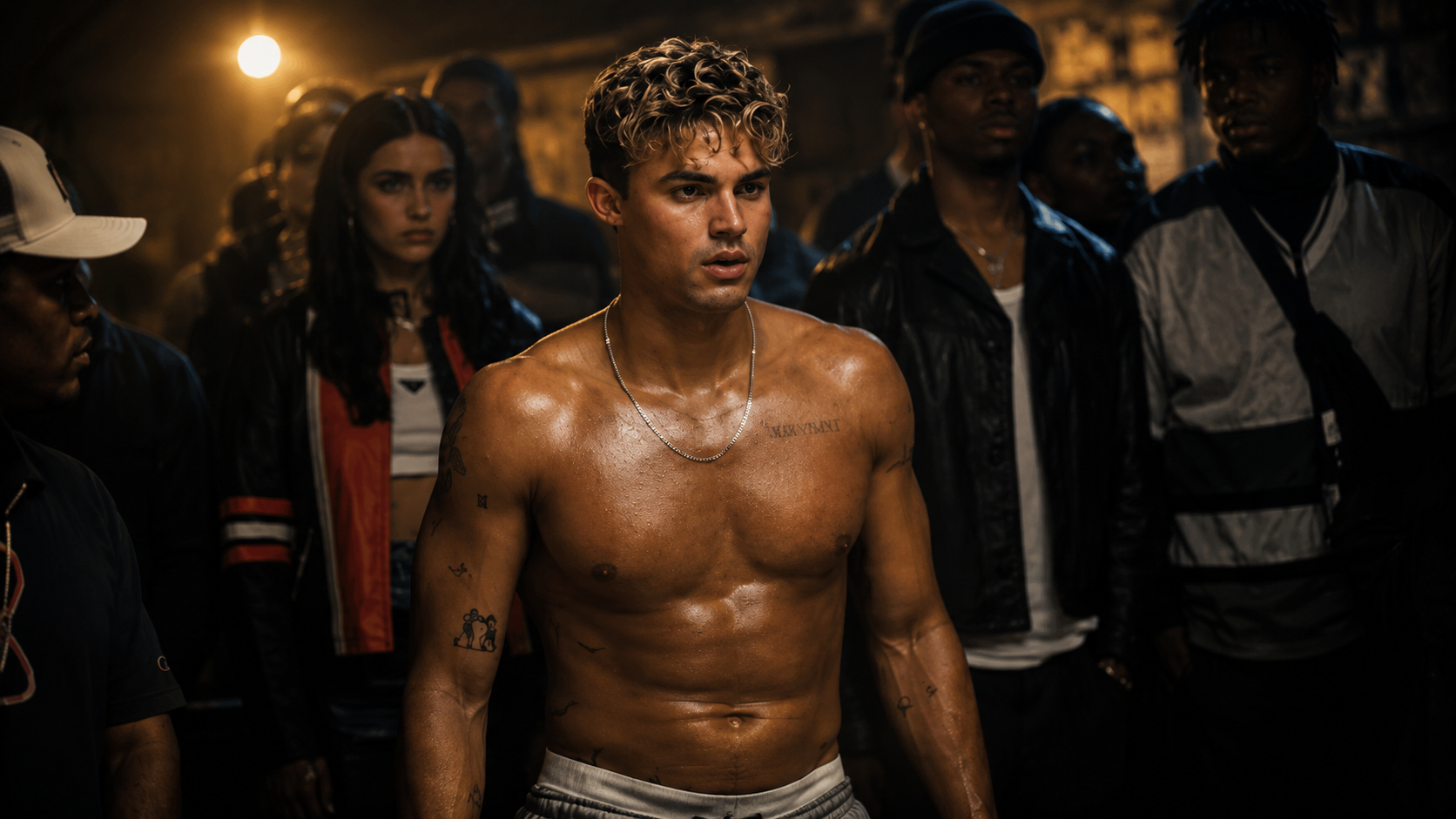
For audiences who've only known Nick and Noah through Gabriel Guevara and Nicole Wallace's performances, the English-language versions require a bit of recalibration — but the emotional architecture of the story stays intact. Joining Banks and Broome in the London cast are Louisa Binder as Sophia, Joel Nankervis as Michael, Scarlett Rayner as Briar, and Orlando Norman as Cruz, filling out the same web of best friends, rivals, and family members who complicate Noah and Nick's relationship at every turn in the original films.
What made the Spanish version resonate in the first place wasn't just the taboo hook — it was the way small side characters kept widening the emotional stakes. The original Culpa Tuya leaned harder into supporting players like Jenna and Lion, plus newer additions like Anabel and Sofia, giving Nick's arc in particular more shading around his vulnerability and his instinct to protect the people he loves, even when that instinct gets him into trouble. It's a safe bet the London version leans on its own equivalents the same way, using the wider circle of friends to keep the central romance from feeling like it's happening in a vacuum.
Betrayal, Distance, and the Long Wait for Forgiveness
Anyone who's read the books or watched the Spanish films knows the emotional gut-punch that anchors the middle stretch of this story. Just as things seem to be settling into place for Nick and Noah, a devastating misunderstanding — compounded by distance, jealousy, and a betrayal that isn't entirely what it appears to be — tears them apart. Trust, once broken, doesn't come back easily in this universe, and the franchise has never been shy about making its audience sit in that wreckage for a while before offering any kind of resolution.
That emotional whiplash is very much the appeal, not a flaw. The shift in tone between the first film's more hopeful energy and the second's heavier, more melancholic register mirrors something true to how these relationships often play out in real life — the initial thrill of forbidden romance eventually collides with the practical, painful business of actually building a life with someone, especially when everyone around you is actively working to keep you apart.

Why the Trilogy Keeps Getting Remade
It would be easy to write this off as just another YA-adjacent romance getting recycled for a new market, but there's something more deliberate happening here. Mercedes Ron's story taps into a very specific, very durable fantasy: the idea that a connection this strong could survive circumstances explicitly designed to destroy it — disapproving parents, social taboo, timing that never quite works out, other people who briefly get in the way. It's the classic "star-crossed" engine dressed up in a modern, stepsibling-specific twist, and that engine tends to travel well across languages precisely because the emotional beats are so universal.
The Spanish trilogy wrapped its story with Culpa Nuestra, which found Nick and Noah reuniting years after their initial breakup at a wedding, with Nick now grappling with an inability to forgive Noah's past betrayal even as their old chemistry threatens to reignite everything. That the London version exists as essentially a parallel universe retelling — same character names, same core relationships, entirely new performers — suggests Amazon sees real value in giving English-speaking audiences their own version of these characters to grow attached to, rather than simply relying on subtitles to do the work.
What to Expect From the London Continuation
Given how closely the London films have tracked the structure of their Spanish predecessors so far, it's reasonable to expect Your Fault: London to hit similar beats: the parents actively working to pull Nick and Noah apart, new romantic entanglements introduced as obstacles, a stretch of painful silence and distance between the two leads, and a betrayal — or the appearance of one — that threatens to end things for good. Whether the London adaptation finds its own texture within that framework, or simply retraces the emotional map laid down by Wallace and Guevara, will likely be the thing critics and longtime fans of the books argue about most once the film actually arrives.
Either way, the durability of this story says something about what audiences keep coming back for in this genre: not surprise, exactly, but the specific, almost ritualistic pleasure of watching two people fight their way toward each other against circumstances built to keep them apart. Your Fault: London is betting that pleasure translates just as well in English as it did in Spanish — and given the trilogy's track record so far, that's not an unreasonable bet to make.