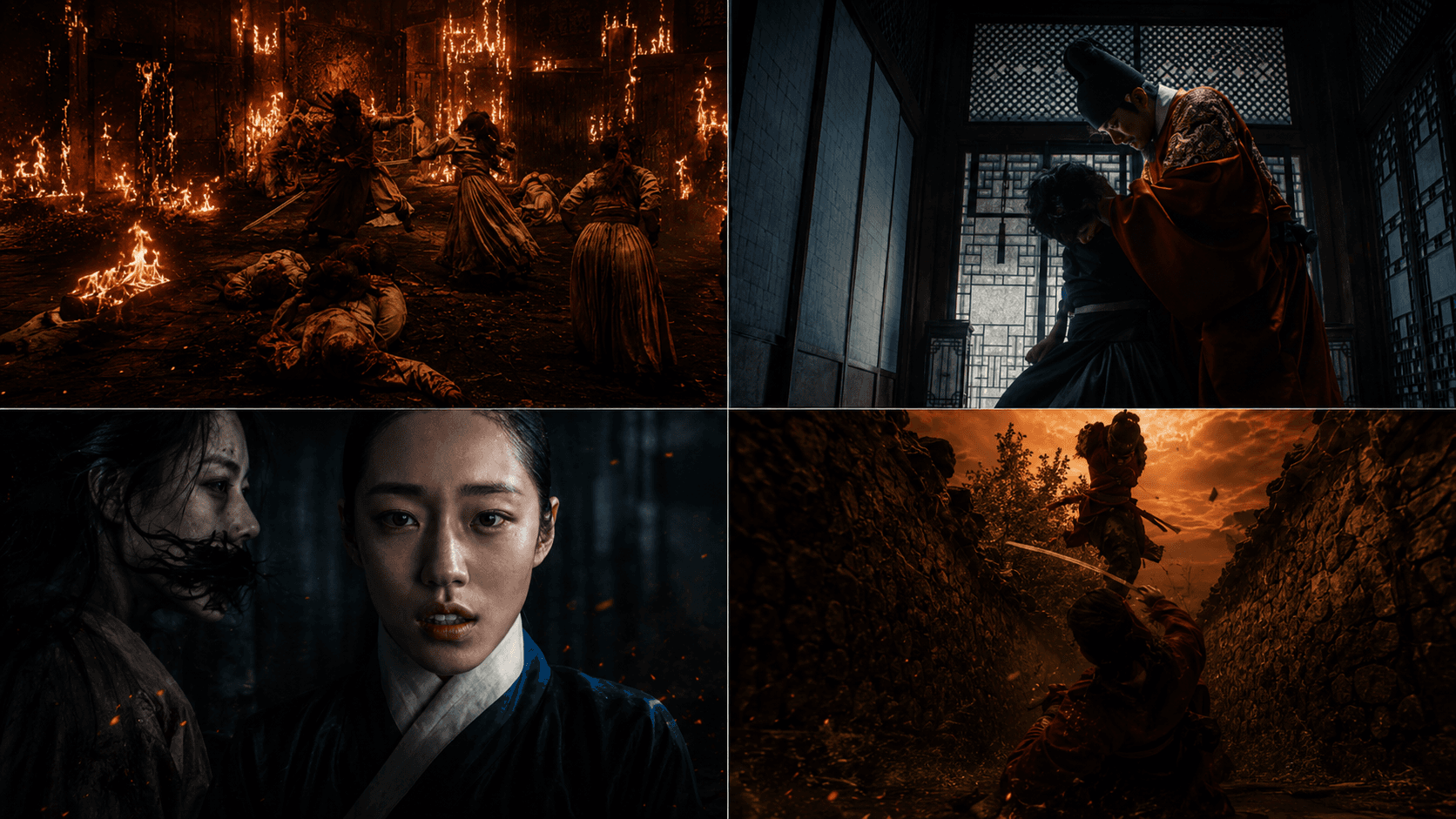
The East Palace K-Drama: The Curse That Haunts a Dynasty, Full Story & Ending Explained
Every few years, a period horror series comes along that manages to do two things at once: honor the strict visual grammar of historical drama — the robes, the rituals, the rigid hierarchies — while also making viewers genuinely afraid to turn the lights off. "The East Palace" is the latest to pull that off, and it's doing so with a premise that sounds simple on paper and turns out to be anything but.
The setup: a royal bloodline is cursed. Every crown prince destined to inherit the throne dies before he can claim it. It's the kind of hook that could easily curdle into melodrama, but the show instead builds outward from that single idea into a slow-burn mystery about power, guilt, and the lies a family tells itself to survive.
A Dying Prince and a Desperate King
The series opens in the aftermath of tragedy — a crown prince has just died, and the palace is left reeling. As the narrative unfolds, we learn this isn't an isolated loss. It's a pattern. Something has been picking off royal heirs for generations, and now the king's last surviving son, the youngest, is fading fast. For a monarch whose entire legitimacy rests on bloodline, watching his lineage evaporate one funeral at a time isn't just a personal tragedy — it's an existential threat to the throne itself.
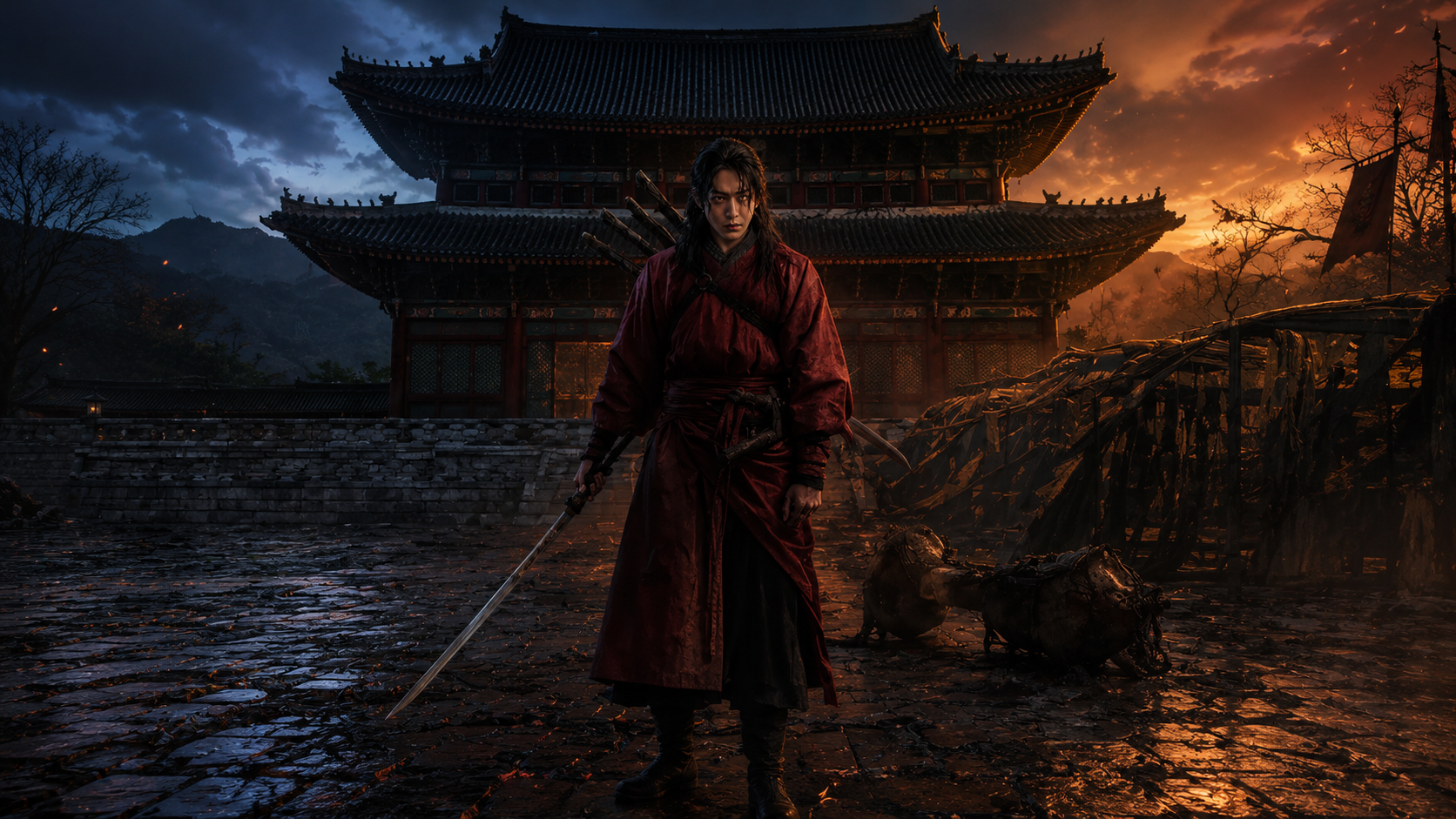
Desperate and out of options, the king turns to a shaman, hoping for a ritual solution. What he gets instead is a name: there is exactly one person alive capable of confronting whatever is haunting the palace, and it isn't a priest or a soldier. It's a civilian with a traumatic past — a man who nearly drowned as a child at his own mother's hands, and who came back from that brush with death able to see spirits no one else can perceive. It's a clever bit of world-building. The show doesn't hand its protagonist power for free; it makes clear that his gift was purchased with the worst moment of his life, and that cost echoes through everything he does afterward.
Coercion Dressed Up as Royal Favor
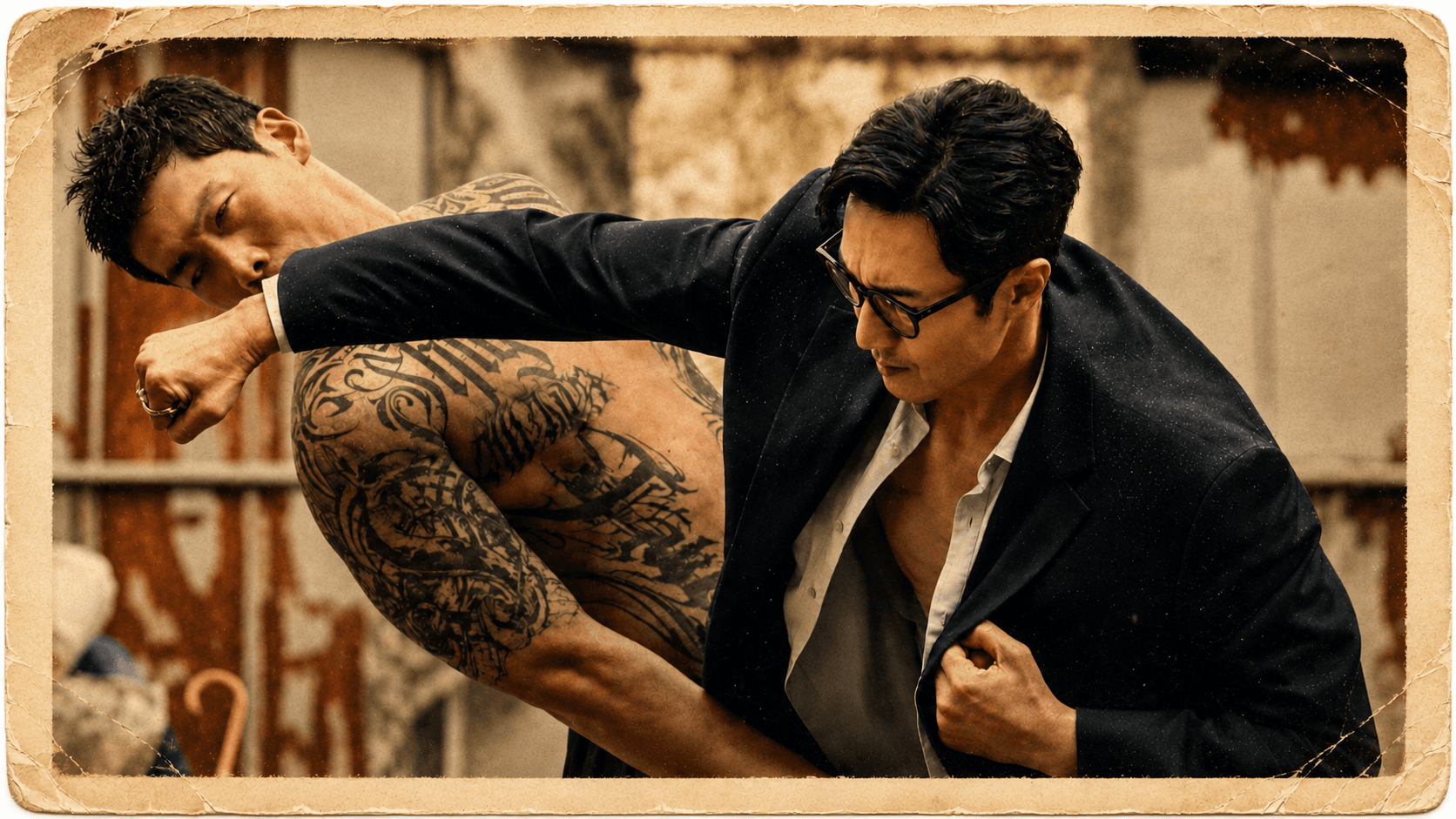
What follows is one of the show's sharpest character beats. The king doesn't approach this man as a ruler — he goes in disguise, testing him as an ordinary stranger might. When the man, sensing something is off about this "commoner," refuses to get involved, the king reveals exactly who he is and simply takes what he wants. There's no negotiation. The protagonist is essentially kidnapped into royal service, given an impossible ultimatum: solve the curse, or die.
It's a smart inversion of the usual "chosen one" narrative. He isn't stepping into his destiny with pride — he's being dragged into it, resentfully, by a man he already suspects is hiding something far darker than a haunted bloodline. And the stakes for him personally are steeper than they first appear: dying under the weight of this burden, the show establishes, won't simply end his story. A soul crushed by that much dread and obligation curdles into something called an ak-gwi — a vengeful, near-unstoppable spirit capable of manipulating other ghosts and slaughtering the living en masse. So he isn't just risking his life. He's risking becoming the very thing he's been ordered to destroy.
Enter the Princess
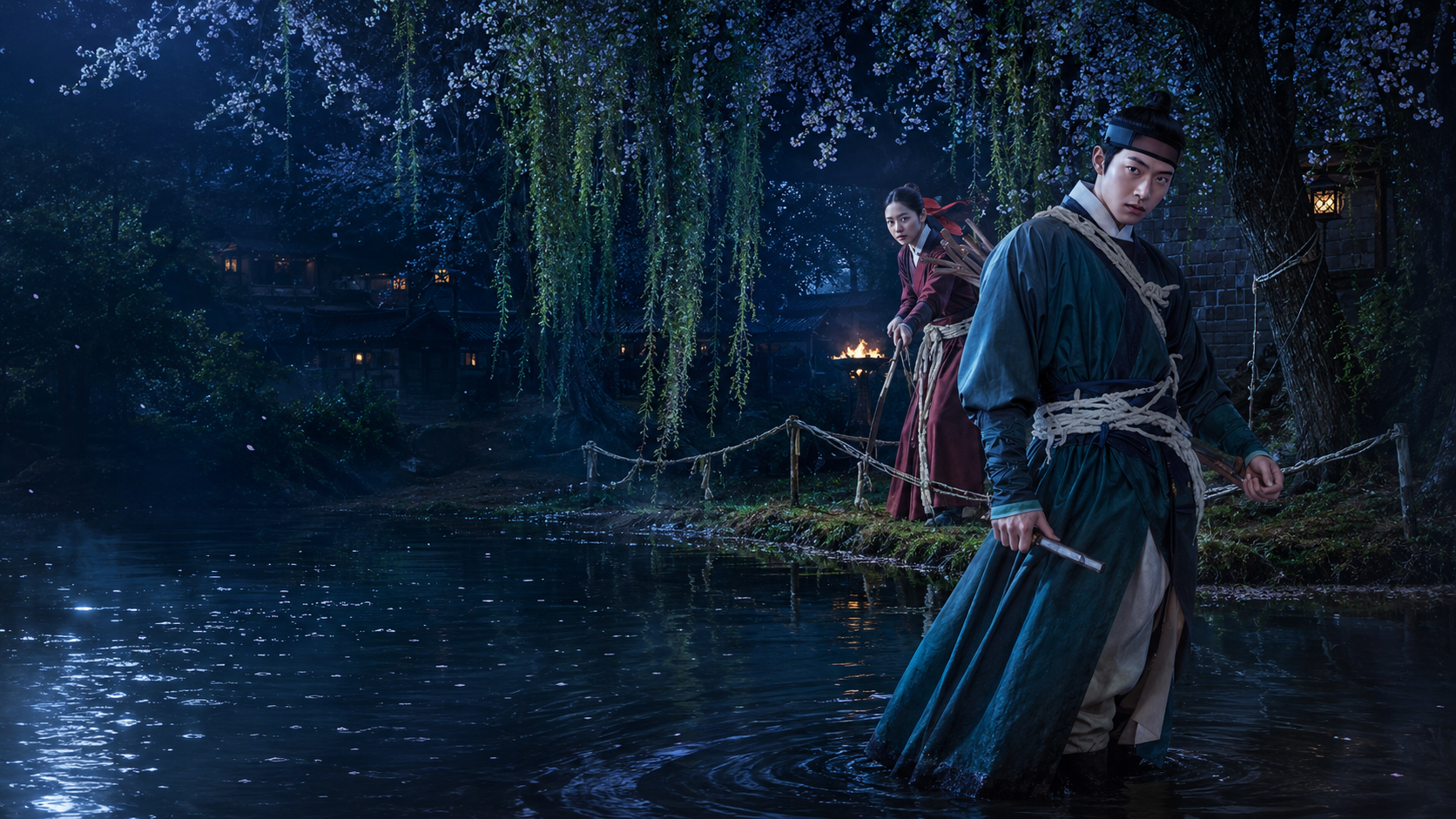
To assist him, the king brings in someone who's spent years estranged from the palace entirely — his own daughter, who can hear the voices of the dead. Her backstory carries its own quiet tragedy: she and her mother fled the royal household years earlier after a scandal, her mother died shortly after, and she was raised by her grandmother, cut off from the world she was born into. Her return to court isn't a homecoming so much as a reluctant re-entry into a family she has every reason to distrust.
The chemistry between the two leads is, by most accounts, the engine driving the show's popularity. Critics and fans alike have singled out both performances as career-defining — a rare case where the emotional stakes of a horror-mystery hybrid land as hard as its scares. It's part of why episodes have consistently topped viewership charts since the series debuted, with audiences praising a tonal balancing act that swings from genuine dread to tenderness without ever feeling whiplash-inducing.
The Ghost in the Lake
The investigation eventually leads to a body of water known as Pond Lake, and to a tragedy buried thirty years deep. A court lady, once favored enough to bear a royal son, became the target of the childless queen's jealousy. Accused — falsely, it's implied — of infidelity, she was executed, and with her dying breath she cursed the queen's bloodline: every crown prince born after her would die before taking the throne. It's the kind of folkloric cruelty period-horror does best, grounding a supernatural threat in a very human injustice.
The duo manages to track down and destroy the Pond Lake spirit, and for a moment, it looks like the curse is broken. The youngest prince is safe. Case closed. Except the protagonist can't shake a nagging doubt — a spirit strong enough to have already claimed seven crown princes shouldn't have gone down that easily. That instinct turns out to be the show's real pivot point.
The King Was the Monster All Along
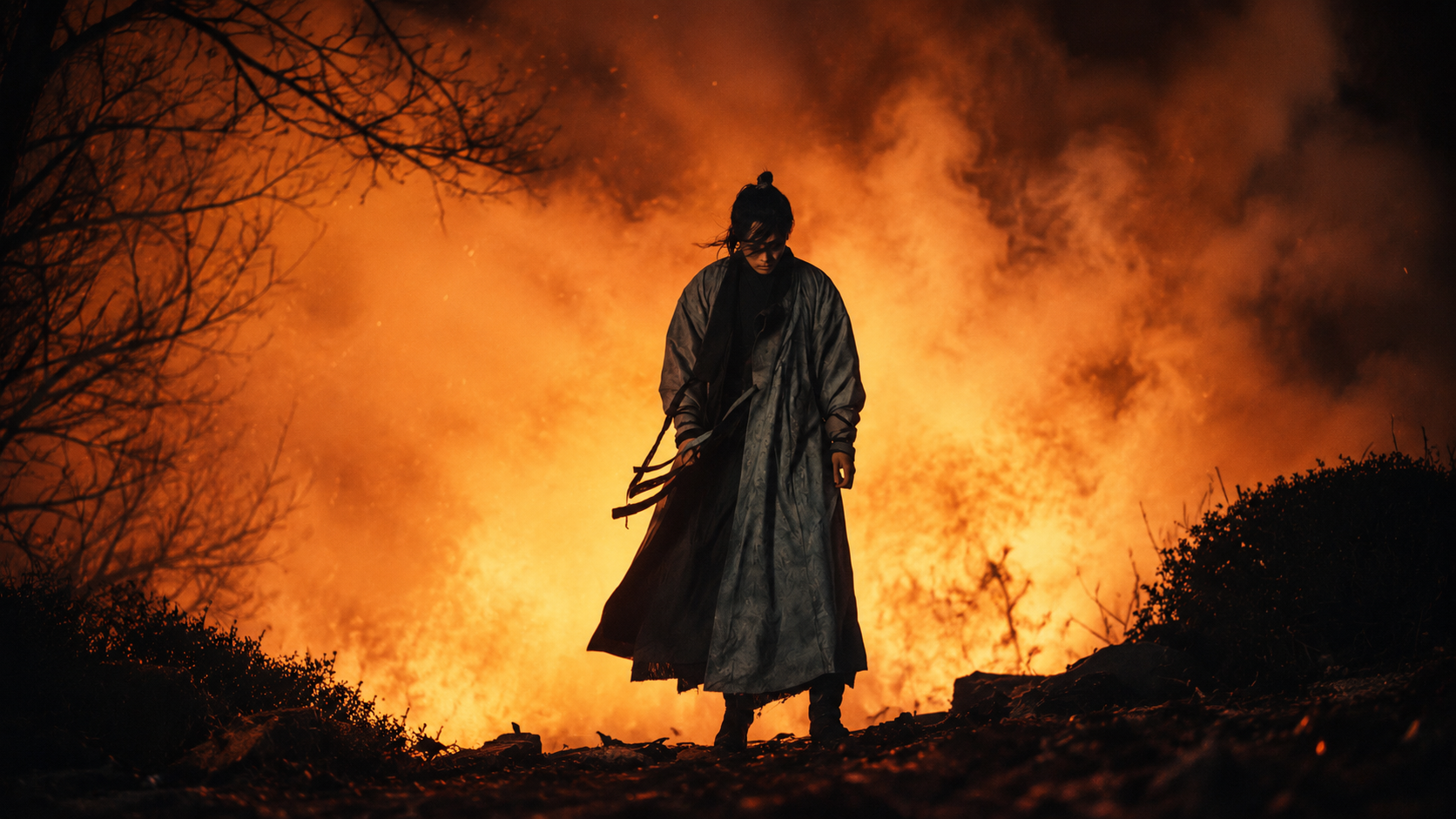
Here's where "The East Palace" stops being a ghost story and becomes something closer to a psychological thriller wearing a ghost story's clothes. The truth, once it surfaces, is uglier than any curse: the king himself murdered his own brothers decades earlier to seize the throne. History then repeated itself when one of his own sons inherited the same spirit-hearing ability now driving the plot — and used it to start killing his siblings, mirroring his father's crimes almost exactly. Faced with a son actively repeating his own worst sin, the king killed him too. That son, consumed by rage and betrayal, became precisely the kind of ak-gwi the story warned about early on — and he's been the one hunting the royal bloodline ever since, not some ancient curse.
It's a gut-punch reveal, and it recontextualizes the king not as a grieving father trying to save his family, but as the actual villain of his own story — a man whose crimes have been quietly killing his descendants for a generation, disguised as fate.
Love, Sacrifice, and a Descent Into Hell
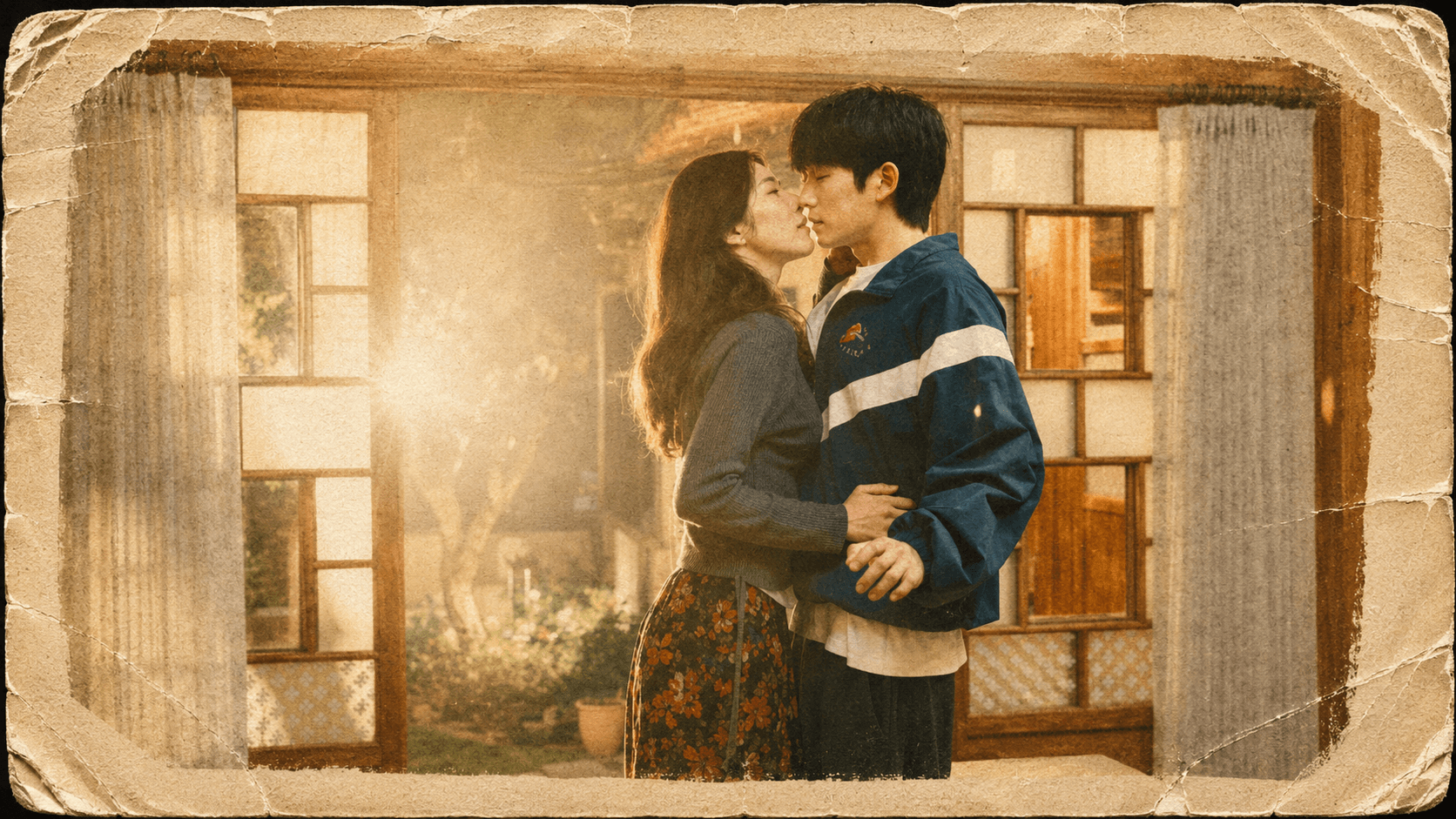
By this point, the protagonist's motivations have shifted entirely. He no longer cares about royal politics or the king's survival. What he cares about is the princess. To stop the vengeful spirit for good, both of them are willing to go further than anyone expected — literally, into the realm of the dead. He ends his own life deliberately, the only way to cross over, arming himself with a weapon capable of striking a soul. She follows, refusing to let him face it alone, even knowing she might not come back.
In the underworld, he strikes a bargain with a Mother Spirit for the power to finish the job — fully aware that using it may finally turn him into the very ak-gwi he's spent the whole series trying to avoid becoming. He does it anyway, defeats the vengeful prince's spirit, and slips into a coma-like state so deep that everyone assumes he's died. It's the princess's desperate vigil — returning to the lake, calling out to him, hearing the faint ring of a bell she once gave him — that finally draws him back.
A Freedom With Strings Attached
The finale resists a clean bow. The king, now aware that both of them know his darkest secret, lets them go — but only "for now," a line ominous enough to suggest this isn't over. The princess believes she's finally free, finally out from under her father's shadow. What she doesn't yet know is that her love now carries a permanent mark from his bargain with the Mother Spirit — a debt that doesn't expire with the crisis. He walks out of the palace a free man in appearance only.
It's that closing note — freedom laced with an invisible chain — that's fueling the biggest fan theory threads right now, with viewers already speculating about how the Mother Spirit's price might come due in a potential second season. Whatever the network decides, "The East Palace" has already proven something rarer than a hit: a horror drama willing to let its scariest monster be a father, not a phantom.