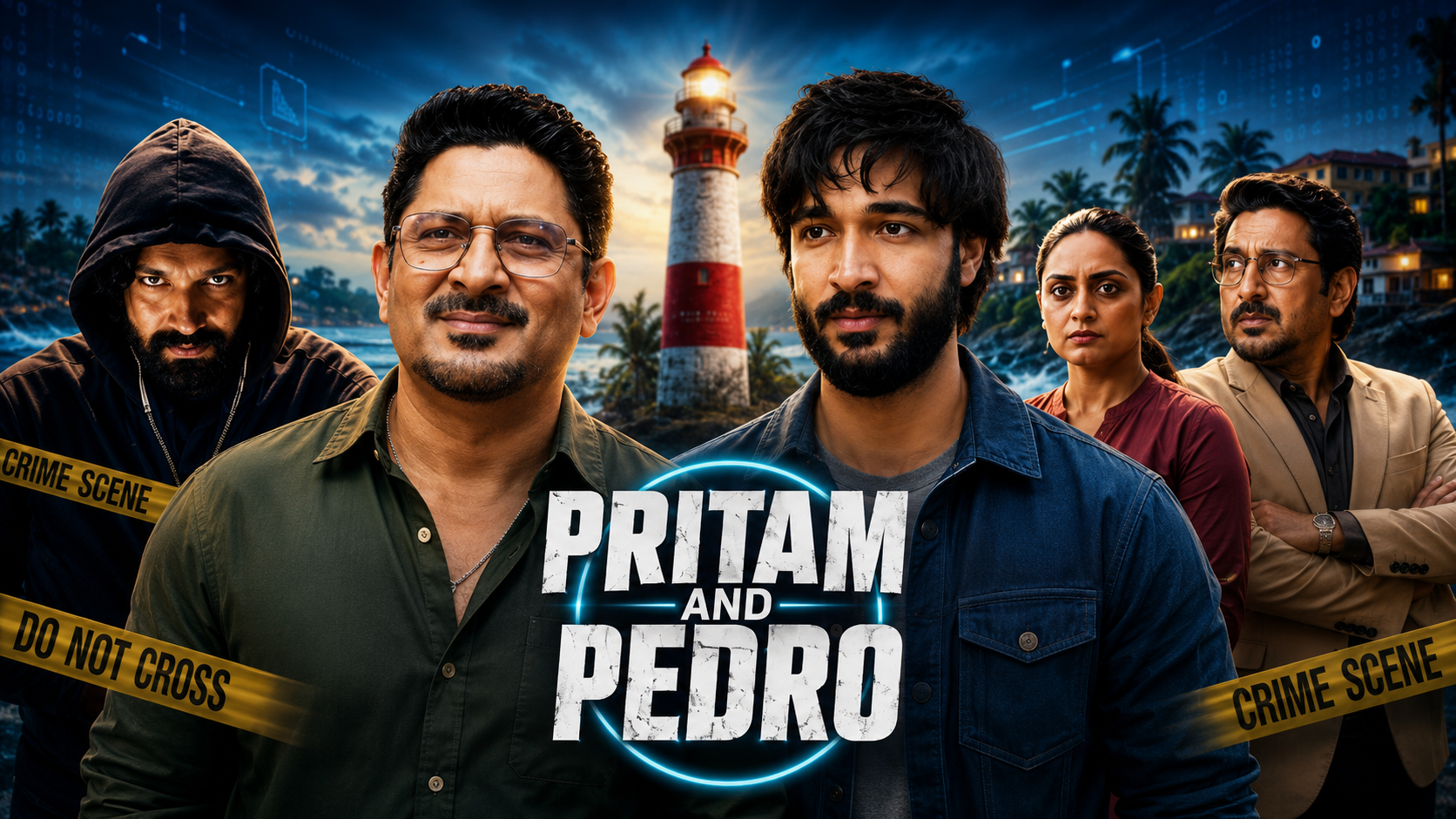
Pritam and Pedro: Rajkumar Hirani's OTT Debut with his son
Rajkumar Hirani doesn't make many films, and he almost never misses. Munna Bhai M.B.B.S., 3 Idiots, PK — the man has built an entire career on turning out crowd-pleasers that somehow manage to preach without ever feeling like homework. So when he finally stepped into streaming for the first time, with Pritam and Pedro, the industry took notice for more than one reason. This wasn't just Hirani's first web series. It was also his son's acting debut.
A Full-Circle Casting Story
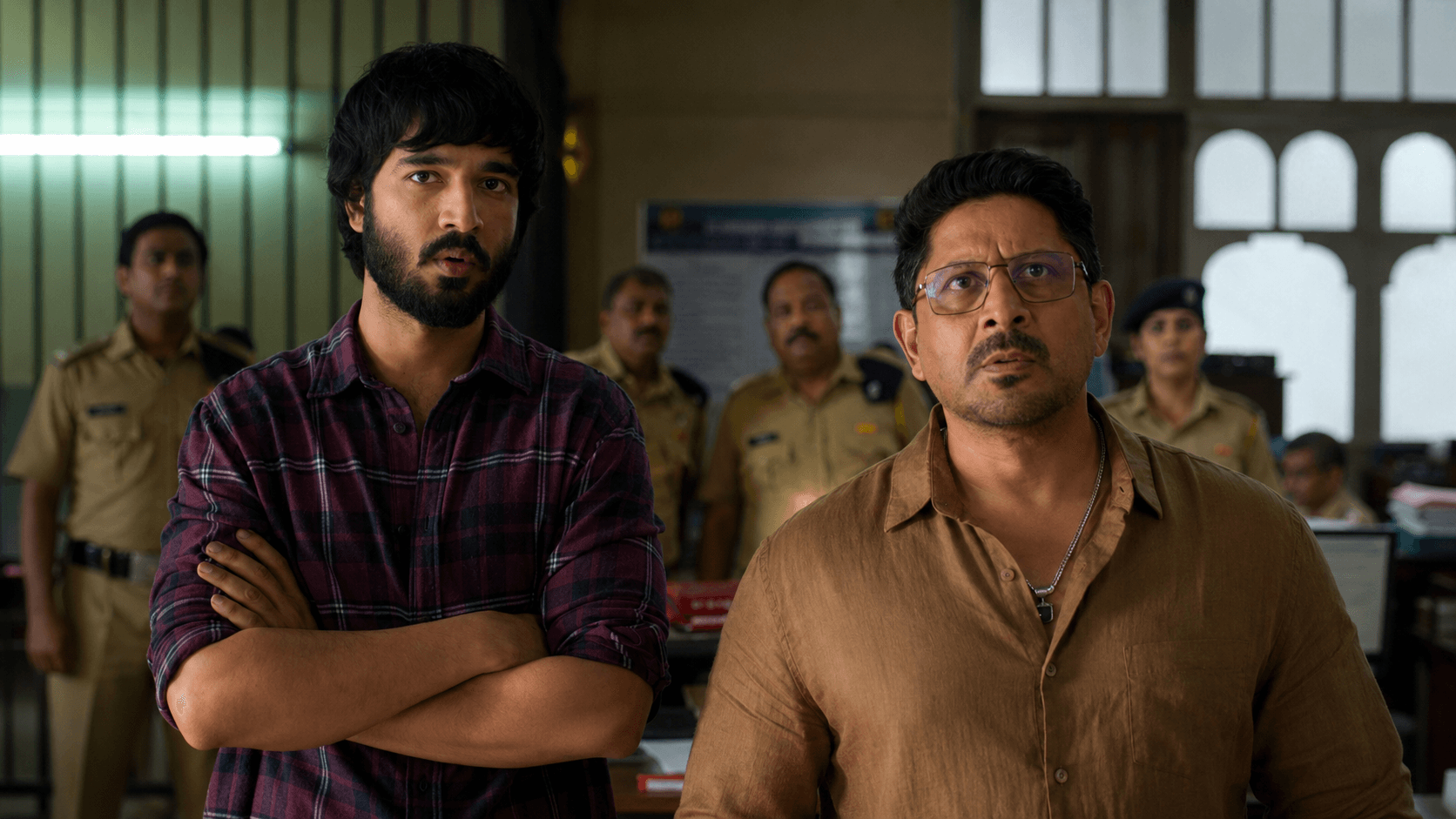
Pritam and Pedro marks Vir Hirani's first major acting role, and it reunites him on screen with Arshad Warsi, who previously played his father in Munna Bhai M.B.B.S. more than two decades ago, when Vir portrayed the character known as "Short Circuit." Warsi himself flagged the reunion on social media with a behind-the-scenes clip from the original film, joking "Short circuit kaafi tall ho gaya hai" — essentially, "Short Circuit has grown quite tall" — to which Vir responded, "24 years later… full circle love you Arshad sir." It's the kind of casting hook that writes its own headline, and Hirani clearly knew it.
What's notable is that Hirani didn't simply hand his son a role. According to Hirani himself, neither Warsi nor his own son was originally on the radar when the show was being written. He told his son plainly that if he wanted the part, he'd have to audition for director Avinash Arun like anyone else — "I can't impose myself. Even if it's my film, you have to audition. Don't think you're going to get it just because you're my son." Whether or not that framing holds up entirely under scrutiny, it's a deliberate answer to the nepotism conversation that inevitably follows any star kid's debut in the Indian entertainment industry.
A Buddy-Cop Setup With a Modern Twist
The series premiered on JioHotstar on July 3, 2026, running six episodes with runtimes between 32 and 37 minutes each, and released across eight languages including Hindi, Tamil, Telugu, Malayalam, Kannada, Marathi, Bengali, and Bhojpuri. At its core, the show follows a seasoned cop and his tech-savvy young partner as they team up to investigate a string of crimes, playing their clashing investigative instincts against each other for both comic and dramatic effect.
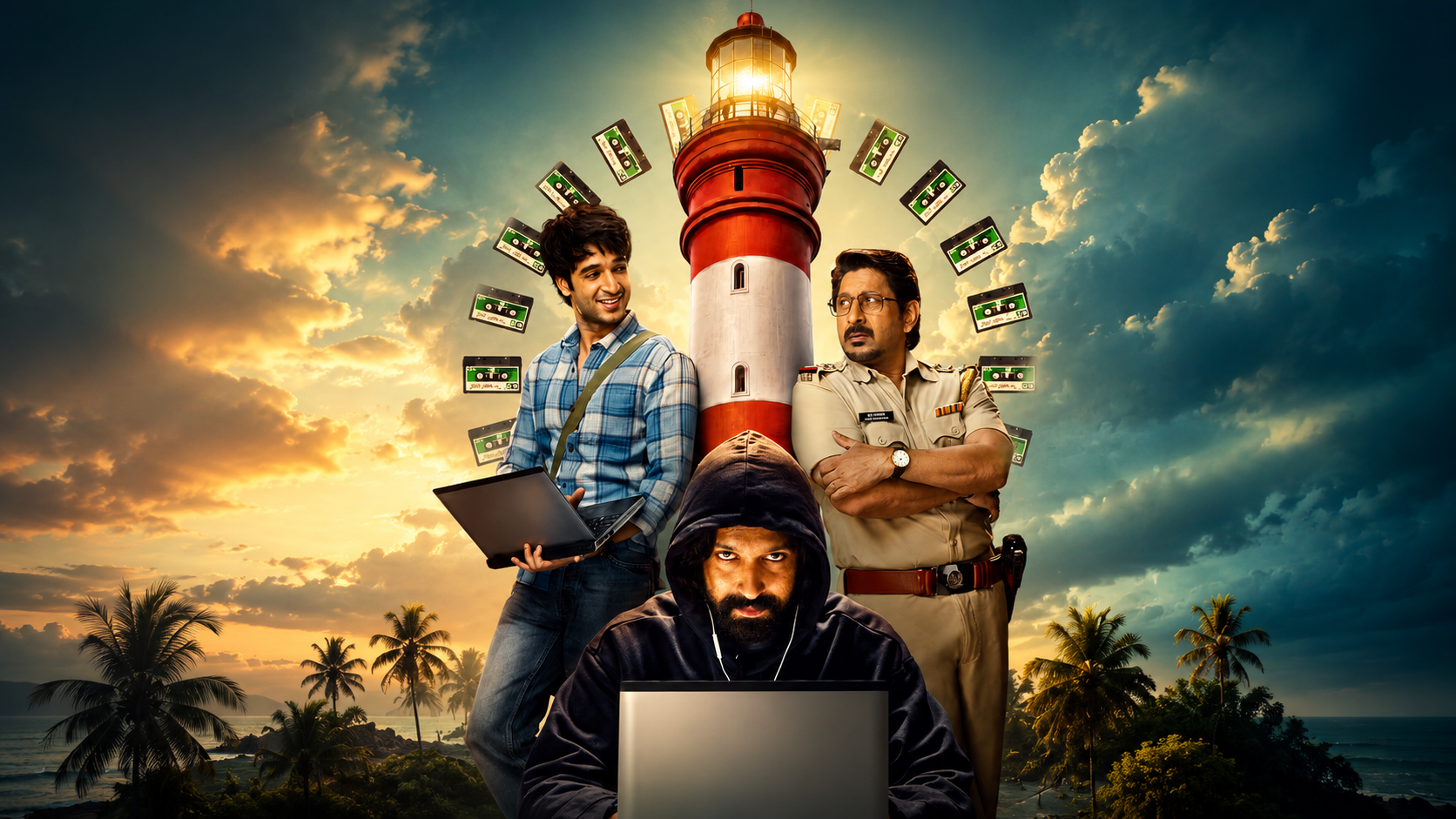
The setup itself has a familiar generational-clash energy: Pritam, a young man first introduced getting jailed for mouthing off to a lazy constable in Goa, ends up impressing the local police inspector Pedro by solving a high-profile ATM robbery from a computer in ten minutes flat, using little more than ordinary internet savvy dressed up as genius. That earns him a spot working alongside Pedro, who — very much an old-school cop out of his depth with anything digital — gets reassigned to the Cyber Crime Cell and has to learn an entirely new vocabulary just to keep up, at one point reportedly mistaking a computer server for an actual human being.
The larger plot kicks into gear when the son of a state sports minister goes missing, pulling both men into a kidnapping case that anchors the show's central mystery. That case eventually widens into a battle of wits against a rival cyber expert, giving the show its central antagonist and — per multiple reviews — its most memorable performance outside the lead duo.
Vikrant Massey Steals Scenes as the Antagonist
Vikrant Massey plays the show's antagonist, and multiple reviewers singled him out as one of the series' genuine strengths, even as critics were split on nearly everything else. His arrival roughly halfway through the season gives the show a jolt it arguably needed, playing a cyber-savvy villain whose motivations turn out to be more layered than the standard kidnapper-for-ransom setup initially suggests.
Critics Are Divided — Sharply
Reviews for Pritam and Pedro have landed all over the map, which is itself unusual for a Hirani project. India Today's Shweta Keshri gave the show 3.5 out of 5 stars, describing it as a light-hearted buddy-cop drama set in Goa that blends straightforward cybercrime plotting with humor and heartfelt moments. Filmfare's Devesh Sharma was even more enthusiastic, calling it entertaining and well-written, and praising it as a confident, thoroughly enjoyable OTT debut for Hirani.
Not everyone agreed. Koimoi's review argued the show's humor felt too theatrical for streaming — jokes built for a cinema audience's claps and cheers rather than a two-screen, half-attentive OTT viewer — and that Hirani's characteristically preachy writing style struggled to keep pace with genuinely modern Gen Z issues like the Blue Whale challenge, deepfakes, and online manipulation, all crammed into just six episodes. Mint's Raja Sen was blunter still, writing that Hirani was "again oversimplifying things and talking down to his audience." The Hollywood Reporter India's review was harsher yet, criticizing Vir Hirani's dialogue delivery as still finding its footing and dismissing much of the show's plotting as recycled ground dressed up as insight.
That split in critical reception hasn't stopped the show from finding an audience, though. Viewer reaction on social media has skewed largely positive, with several users praising the show's pacing, calling it an "engaging" and "perfect time-pass" watch across its six half-hour episodes.

The Blue Whale Thread and Hirani's Recurring Obsession
One element that's drawn particular attention is the show's use of the real-world "Blue Whale Challenge" — the notorious online game blamed for manipulating vulnerable young users into escalating, dangerous tasks. It's a bold, if risky, choice to weave into a mainstream comedy-thriller, and reviewers have been split on whether the show handles that material with the seriousness it demands or reduces it to just another plot device in a season already juggling kidnapping, deepfakes, and extramarital-affair subplots.
That tension is arguably the throughline of Hirani's entire career, in miniature: a filmmaker who's always tried to smuggle a social message into commercial entertainment, sometimes brilliantly (3 Idiots' takedown of rote-learning education culture remains a genuine cultural touchstone), and sometimes less successfully. Critics who found Pritam and Pedro underwhelming largely pointed to the same complaint — that Hirani's instinct to moralize doesn't always translate cleanly to the streaming format's faster, more fragmented viewing habits.
Why This Debut Matters Beyond the Reviews
Whatever the critical verdict ends up being, Pritam and Pedro carries some real significance simply as a data point. Hirani has spent decades as one of Hindi cinema's most reliably bankable directors without ever testing that reputation on a streaming platform, and choosing to do so with his own son's acting debut riding alongside it was, in its own way, a considerable risk — one that invited exactly the kind of scrutiny nepotism debuts always attract in the Indian industry, regardless of how the audition process was actually structured behind the scenes.
The reunion angle with Arshad Warsi gave the whole project an emotional hook that transcended the show's mixed reviews — a genuine, decades-spanning relationship between two actors who happened to share a screen once as father and "son" long before either of them knew this second chapter was coming. That's a detail no marketing team could have engineered on purpose, and it's arguably done more to generate goodwill around the show than any single plot twist in its six episodes.
Pritam and Pedro won't likely be remembered as Hirani's finest work — even his supporters seem to agree it's a more modest, functional effort than his theatrical output. But as an entry point into streaming, and as a way to introduce his son to audiences without simply handing him the keys, it's a calculated first step rather than a victory lap, and Hirani's track record suggests he's rarely satisfied stopping at "good enough."