Notes from the Last Story: A Tale That Blurs Reality and Imagination
There's this moment in every good revenge story where you think you know exactly what's happening. The villain's been revealed, the hero's figured it out, everything makes sense now. But what happens when the line between revenge and redemption gets so blurry that you can't tell which side anyone's actually on? That's the headspace Notes from the Last Story lives in, and honestly, it's messing with people.
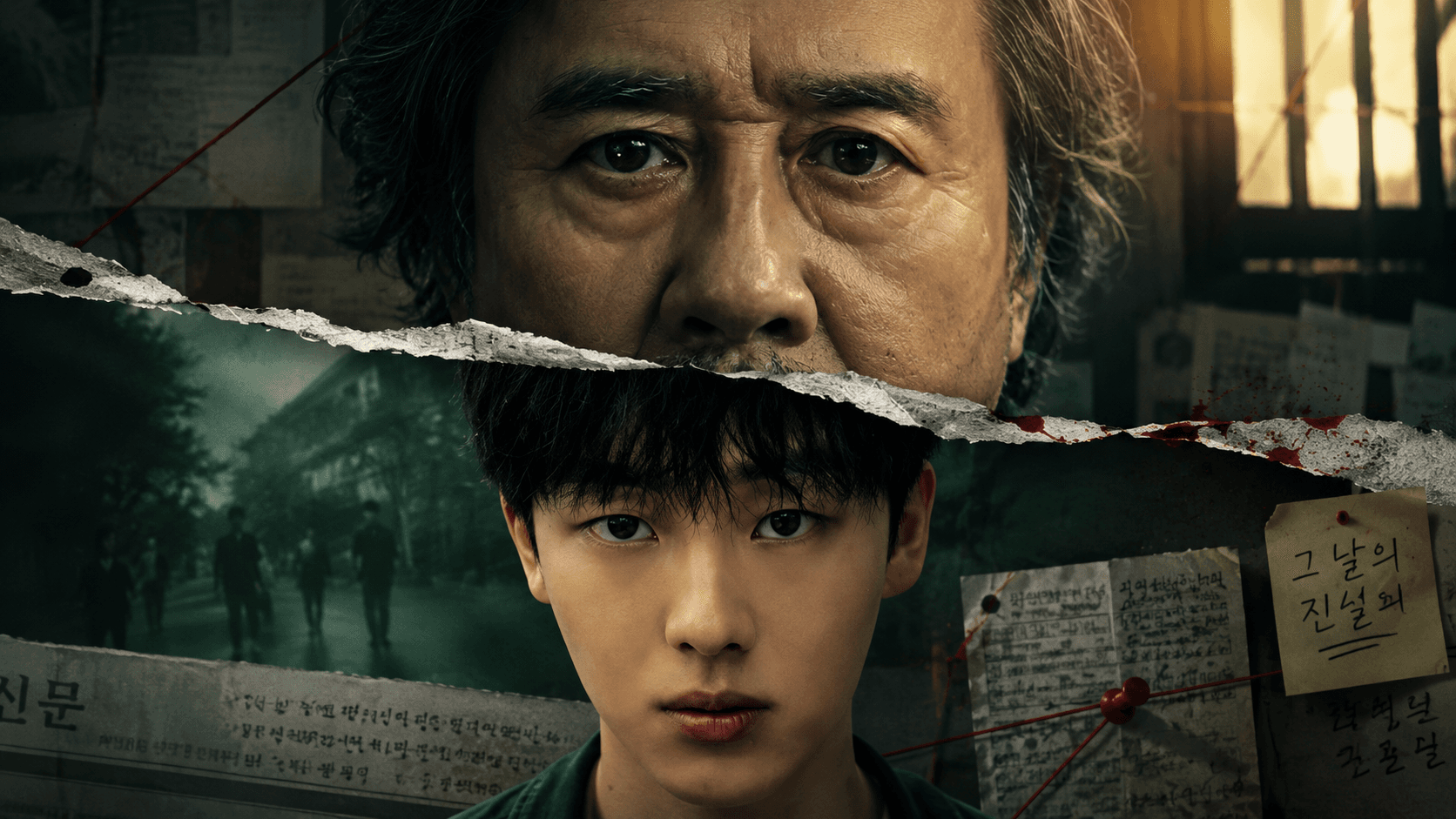
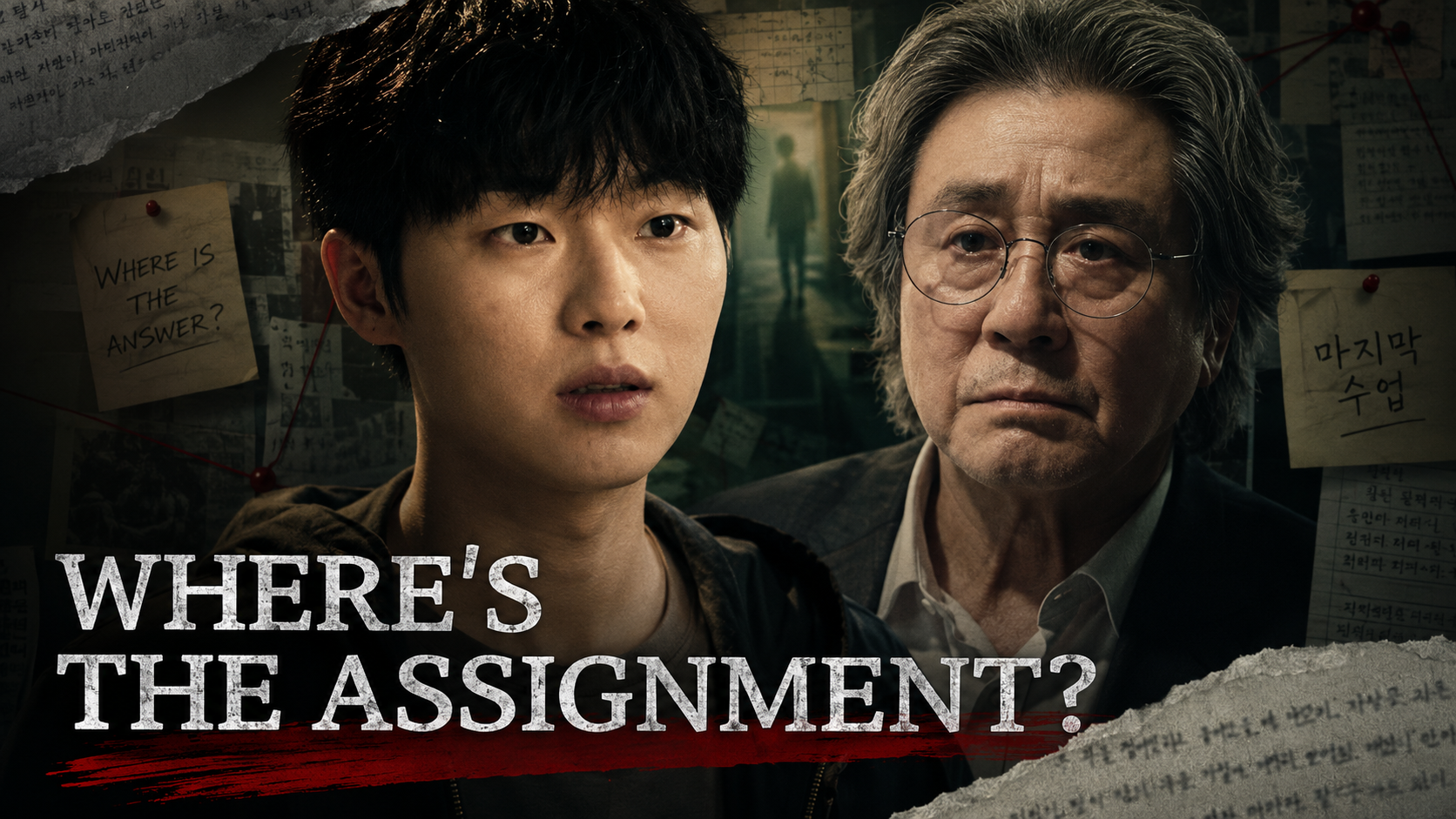
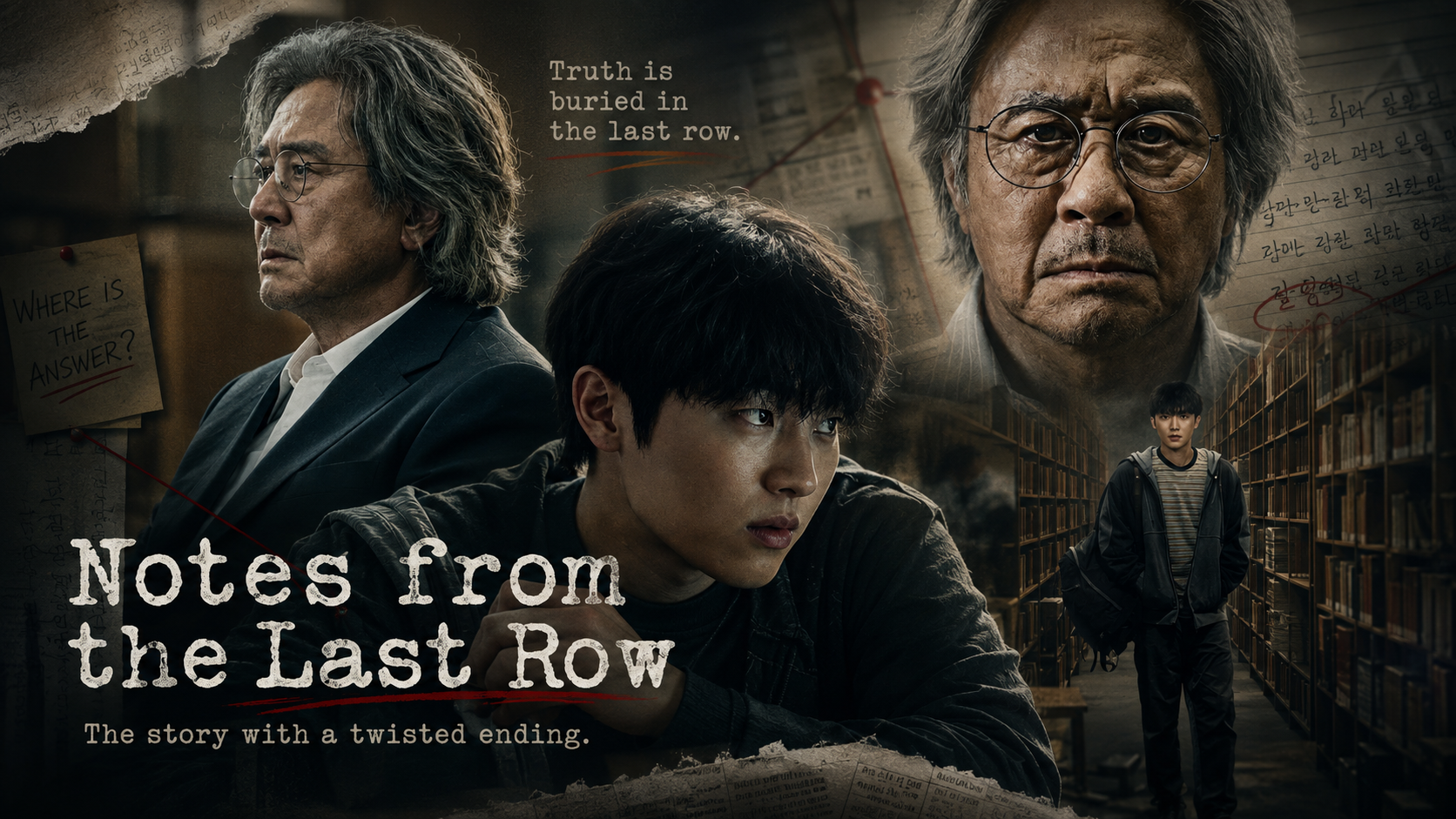
The premise sounds simple enough at first. A washed-up professor—call him Mun Ho—meets a kid in his class who actually has talent. Real talent. The kind that makes you sit up straight when you're reading an assignment at 11 PM thinking it's going to be complete garbage. So Mun Ho sees potential, decides to take the kid under his wing, offer him some mentorship. Except there's this thing underneath it all. Mun Ho stopped writing years ago. Some incident destroyed that part of him, and he's convinced he'll never get it back. He's been teaching instead, going through the motions, playing the role of the guy who used to matter.
When he meets this student, something shifts. It's not entirely noble—and that's actually what makes it interesting. Part of Mun Ho wants to help. Another part of him very much wants to be the guy who shaped a great writer. Credit. Recognition. The kind of thing that proves he still matters even if he can't write anymore.
So he starts teaching the kid. Gives him money, lets him live in his house, builds this whole mentoring relationship. And the stories the kid submits? They're not like student work. They're weirdly specific. Uncomfortably real. It's like the kid isn't making things up as much as he's documenting something.
When You Stop Knowing What's True
Here's where it gets weird. The student starts hanging around another kid from class. Follows him home. Befriends his family. And the more time passes, the more the stories he's writing seem to be about this family. A father who's unfaithful. A mother who knows and stays silent anyway. The kind of domestic mess that makes your stomach hurt reading about it because it all feels documented rather than invented.
Mun Ho gets pulled in. He's reading these assignments like they're a serialized drama. He's emotionally invested. He wants to know what happens next. The student needs help getting the other kid to pass some crucial exam—and yeah, the ethics of that are messy, but the professor does it anyway because he's already invested in the story continuing. The kid moves in with the family. Mun Ho gets to keep reading about their lives through these assignments.
Then something actually tragic happens. A real car accident. And Mun Ho starts reading about it in the student's work, and he's processing this event through the filter of fiction. Reality and narrative are bleeding together. The lines aren't just blurred anymore—they basically don't exist.
It gets worse. The professor eventually figures out that the father in these stories is his actual former classmate. The guy who destroyed his writing career. The guy who's part of the reason Mun Ho stopped trying to be an author in the first place. And not only that—the father is married to a woman Mun Ho had a thing for back in college. So suddenly this whole thing isn't just about mentoring a talented kid anymore. It's personal. It's about protecting her. It's about justice. It's about getting something he lost years ago back.
The student's been writing about this family's secrets. The father has affairs. Multiple affairs. He might've been involved in that accident. Mun Ho wants him prosecuted, but there's no evidence. So Mun Ho does the thing that should probably disqualify him as a mentor: he suggests they fabricate evidence. They essentially plan to manufacture proof of crimes that happened. They're not just reading stories anymore. They're trying to write one into reality. They're trying to make fiction real through obstruction of justice.
The Moment Everything Flips
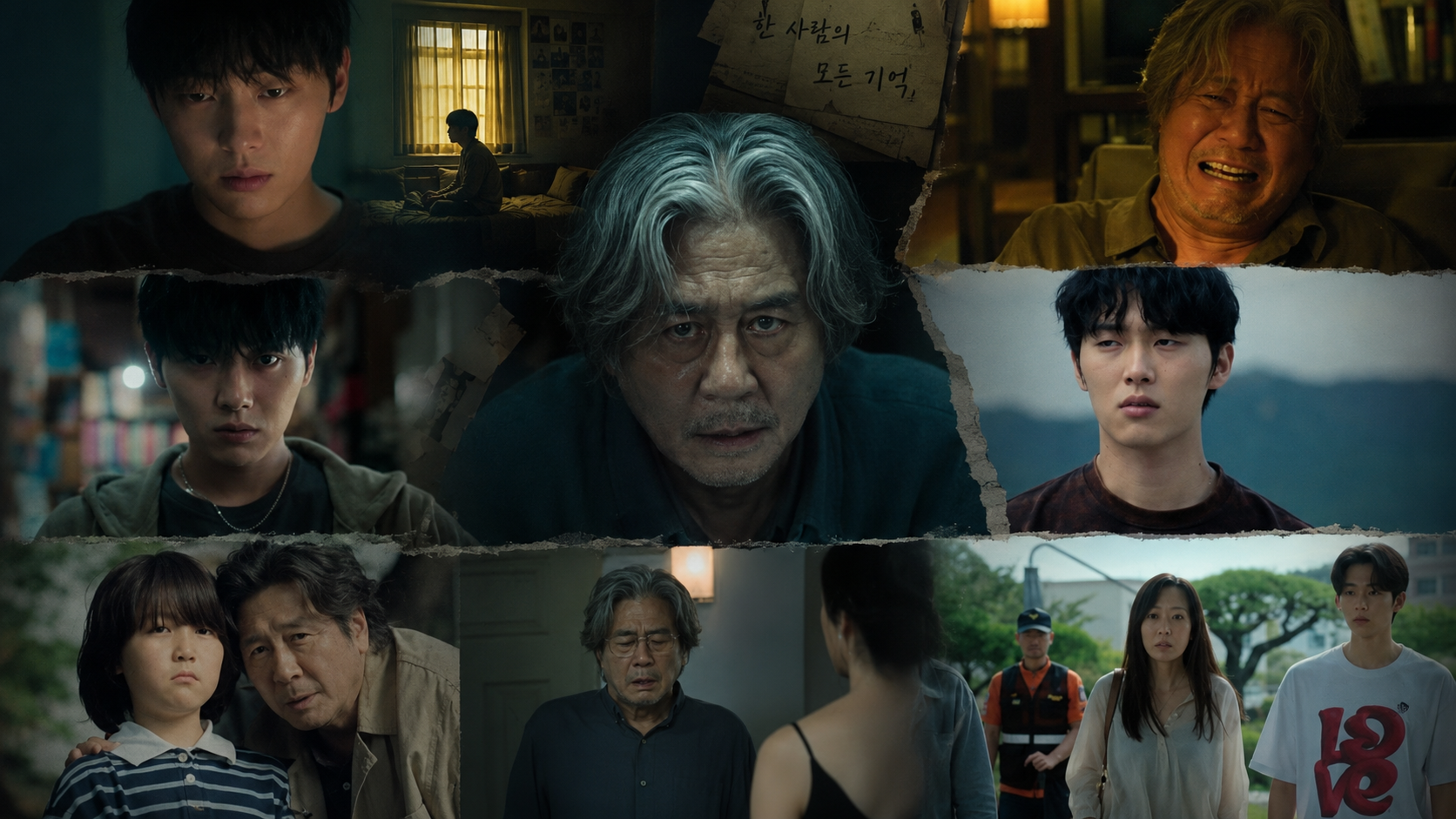
And then the student stops writing. The father gets hospitalized. Mun Ho's left hanging, desperate to know what happens next. He's addicted to the narrative at this point. He needs to know how it ends. The student looks at him at some point and says something like, "It's your story now. You're the author. Do whatever you want with it."
So Mun Ho does what any person completely lost in a narrative would do—he escalates. The student warns him the father's planning to kill the family, burn the house down. Mun Ho panics. He's terrified. He drives across town at night, calling emergency services, preparing to be the hero of this story. He's going to save them. He's going to break down the door and rescue these people he's been reading about for months.
There's no fire.
There's no incident.
The family is fine. They're just... there. And the student walks up behind him asking why he's at their house. A woman appears asking if he's Mun Ho. And in that moment, the professor realizes: none of it was real.
The accident happened. That part was true. But everything else—all these months of stories, the elaborate narrative about infidelity and secrets and crimes—was built on that one real event. The student took a piece of actual tragedy and spun it into an entire fictional world so convincing that Mun Ho stopped being able to separate what was happening from what was being written about.
Then it gets worse because the student goes on social media. Positions himself as the victim. Says the professor encouraged him to investigate real people and fabricate stories about them. Says the professor gave him exam answers. Suddenly Mun Ho's the villain in this version of the narrative. His marriage gets strained. His reputation tanks. His career—what's left of it—becomes questionable.
He's devastated.
The Reason Changes Everything
Except then the student calls him. Explains himself. And what he says is the kind of thing that shouldn't make sense but somehow does.
Years ago, Mun Ho and his wife visited an orphanage. Mun Ho talked to this kid about stories, about how they're constructed, about how they matter. It meant something to the kid. The kid's caretaker said he wanted to thank Mun Ho. But Mun Ho brushed him off. Said the kid probably had nothing worth his time. Dismissed him because he was a foolish kid with nothing interesting to say.
The whole thing—the mentorship, the stories, the manipulation, the elaborate con—was the student's way of proving something to the one person who'd dismissed him. He created an entire narrative so real, so visceral, so emotionally true that Mun Ho couldn't tell what was happening and what was invented. He made a professor who'd given up on writing believe in a story so completely that fiction and reality became the same thing.
And in doing that, he did something else. He gave Mun Ho back what he'd lost.
When Broken Things Start Working Again
After everything settles, the student shows up at a library where Mun Ho's working. Says he wants to buy his book. Tells him he has a new story. And Mun Ho—who's been completely destroyed, whose marriage has been damaged, whose reputation has been trashed, who's lost everything—wants to hear it anyway.
Because that's the thing about a good story. Once it gets into you, you can't stop needing it. Mun Ho's hands had basically turned to stone. His pen had turned to stone. He'd convinced himself he couldn't write anymore, couldn't create, couldn't matter. Then someone handed him a story—a cruel, manipulative, genuinely destructive story—and for the first time in years, he felt alive.
The student's real talent isn't writing, it turns out. It's the ability to make someone believe something so completely that it rewires their brain. To take fragments of truth and build entire worlds. To blur the line between what's real and what's imagined so thoroughly that the separation becomes meaningless.
Mun Ho knows this. He knows the kid put him through hell. He knows he's broken things and hurt people and ruined his own stability. But when he thinks about what comes next, when he considers listening to the next story, he doesn't care about any of that. The stone in his chest has cracked. The stone in his hands is crumbling. He's writing again, or he will be soon. He's alive again.
That's what makes this narrative so unsettling. There's no clean moral. The manipulator isn't really a villain. The victim isn't really innocent. And the cost of redemption turns out to be everything. But the guy who pays that cost would pay it again because getting the ability to create back is worth more than anything else he had.
Stories do that. Good ones, anyway. They justify their own existence no matter what has to break in the process.