

My Name: Helpless Women | Han So Hee biggest Hit
There's a particular kind of Korean drama that doesn't ease you in — it just hands you a body and a grieving daughter and dares you to look away. My Name is that kind of show. Four years after its release, it still holds up as one of the tightest, most unrelentingly grim revenge stories Netflix has ever put out of South Korea, and it's worth revisiting exactly why it landed so hard.
A Girl Nobody Believed
The story opens at Shin Young Girls' High School, where teenager Yoon Ji-woo is bullied relentlessly by classmates who know her father is tangled up in the criminal underworld. It's the kind of setup that could easily read as melodrama, except the show never lingers there long enough to let it become one. Ji-woo isn't written as a victim waiting to be rescued. She's furious, closed-off, and — as becomes clear almost immediately — entirely capable of handling herself against people twice her size.
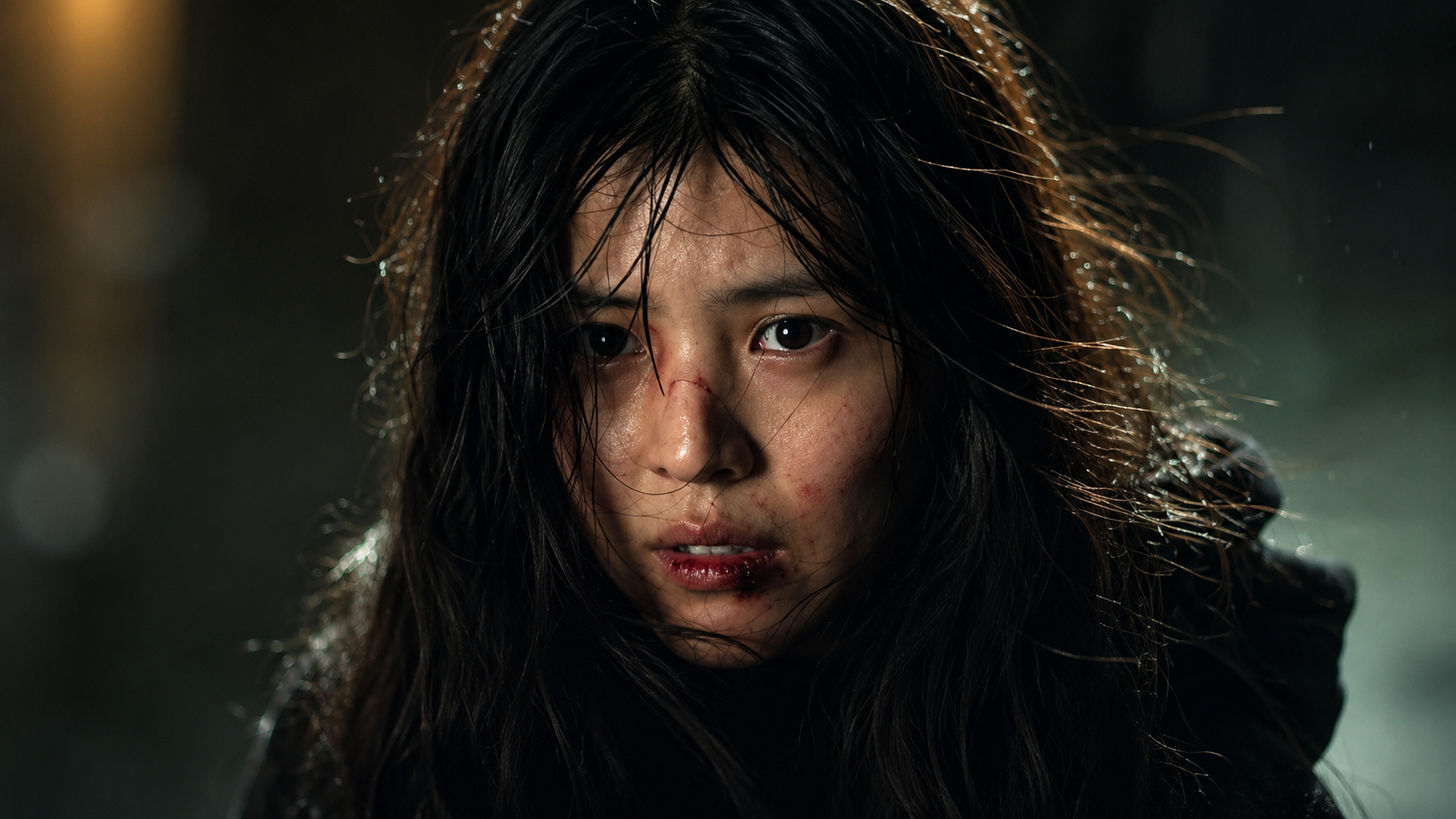
That toughness gets tested in the worst way possible. Her father, Yoon Dong-hoon, is brutally murdered right outside their home by an unknown assailant, an act Ji-woo witnesses firsthand. It's the kind of inciting incident that would break most protagonists. Instead, Ji-woo shuts down emotionally and hardens herself into someone capable of chasing his killer down, no matter what it costs her.
Making a Deal With the Devil
Here's where the show gets genuinely uncomfortable, in the best possible way. Ji-woo doesn't turn to the police for justice. She goes straight to Choi Mu-jin, the head of the Dongcheon drug syndicate and — crucially — her father's closest friend, and begs him to take her in. Mu-jin agrees, but not out of pure sentiment; he tells her plainly that if she's serious about killing whoever murdered her father, she needs to become someone capable of killing people herself, and he spends years training her into exactly that.
That training arc is where the show earns its reputation for brutal, bone-crunching action. Ji-woo doesn't get a montage and a graduation ceremony. She has to survive years under Mu-jin's tutelage before he trusts her enough to move forward with the real plan — infiltrating the police department under a fake identity to hunt down her father's killer from the inside. That killer, Mu-jin reveals, used a police-issued firearm, which becomes Ji-woo's whole reason for going undercover in the first place.
Life as Oh Hye-jin
Ji-woo re-enters the world as Oh Hye-jin, a rookie detective assigned to work under Jeon Pil-do, a cop who has no idea he's training the daughter of a drug boss's late associate. This is where My Name stops being a straightforward revenge story and turns into something closer to a tightrope act. Ji-woo is now feeding information to Mu-jin's syndicate from inside the police force while simultaneously trying to use her position to identify her father's actual killer — and the show is smart enough to let both loyalties genuinely pull at her, rather than treating one as an obvious sham from the start.
Pil-do, for his part, starts out trusting his new partner completely, but grows suspicious over time and eventually gets ordered by his own superiors to investigate what she might be hiding. The slow unraveling of that partnership — two people who start to genuinely care for each other while each is quietly working an angle the other doesn't know about — gives the show an emotional backbone that a lot of straight-up gangster thrillers skip entirely.
The Twist That Recontextualizes Everything
Where the show really sinks its hooks in is the reveal of who actually pulled the trigger on Ji-woo's father. Without spoiling every beat of it, the answer lands closer to home than Ji-woo — or the audience — expects, forcing her to reckon with the fact that the man who trained her, protected her, and gave her purpose after her father's death may not have been the ally she believed him to be. It's a gut-punch of a twist precisely because the show spends so much time building genuine, complicated trust between Ji-woo and Mu-jin before pulling the rug out.
By the time Ji-woo has her answer, the cost of getting it has already been enormous — relationships burned, bodies left behind on both sides of the law, and a version of herself she can't really go back to. The finale sees her identify her father's true killer and take matters into her own hands, all while managing to slip past the police closing in around her.
Han So-hee's Star-Making Turn
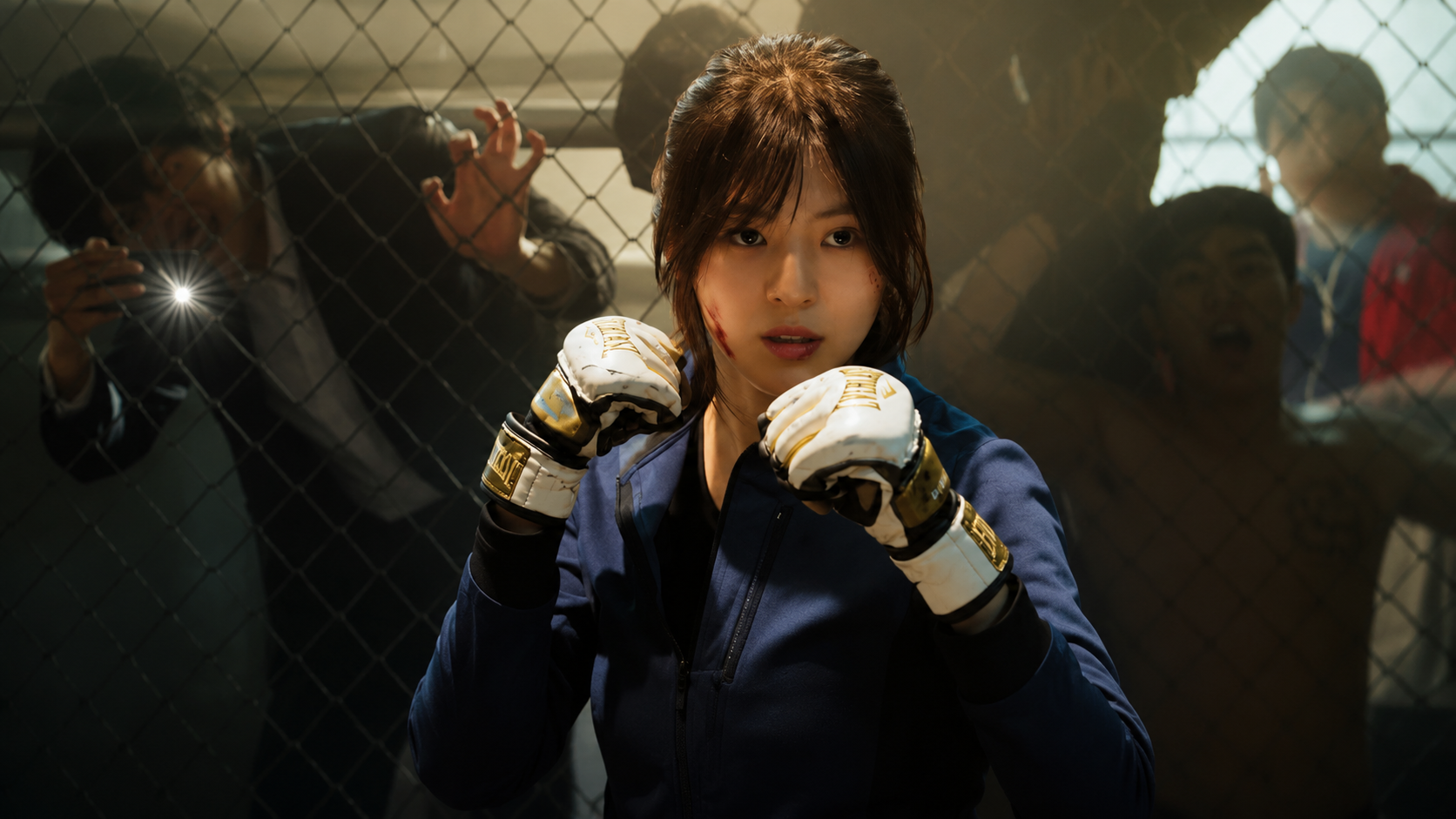
None of this works without a lead who can sell both the physical brutality and the emotional wreckage underneath it, and Han So-hee delivers on both fronts. To prepare for the role, she reportedly put on muscle and trained extensively in fight choreography, and it shows — the action sequences never feel like a slight actress being propped up by clever editing. One review at the time noted the visible contrast between her slight frame and the muscle-bound men she's constantly going up against, which somehow makes every fight land harder rather than feel implausible.
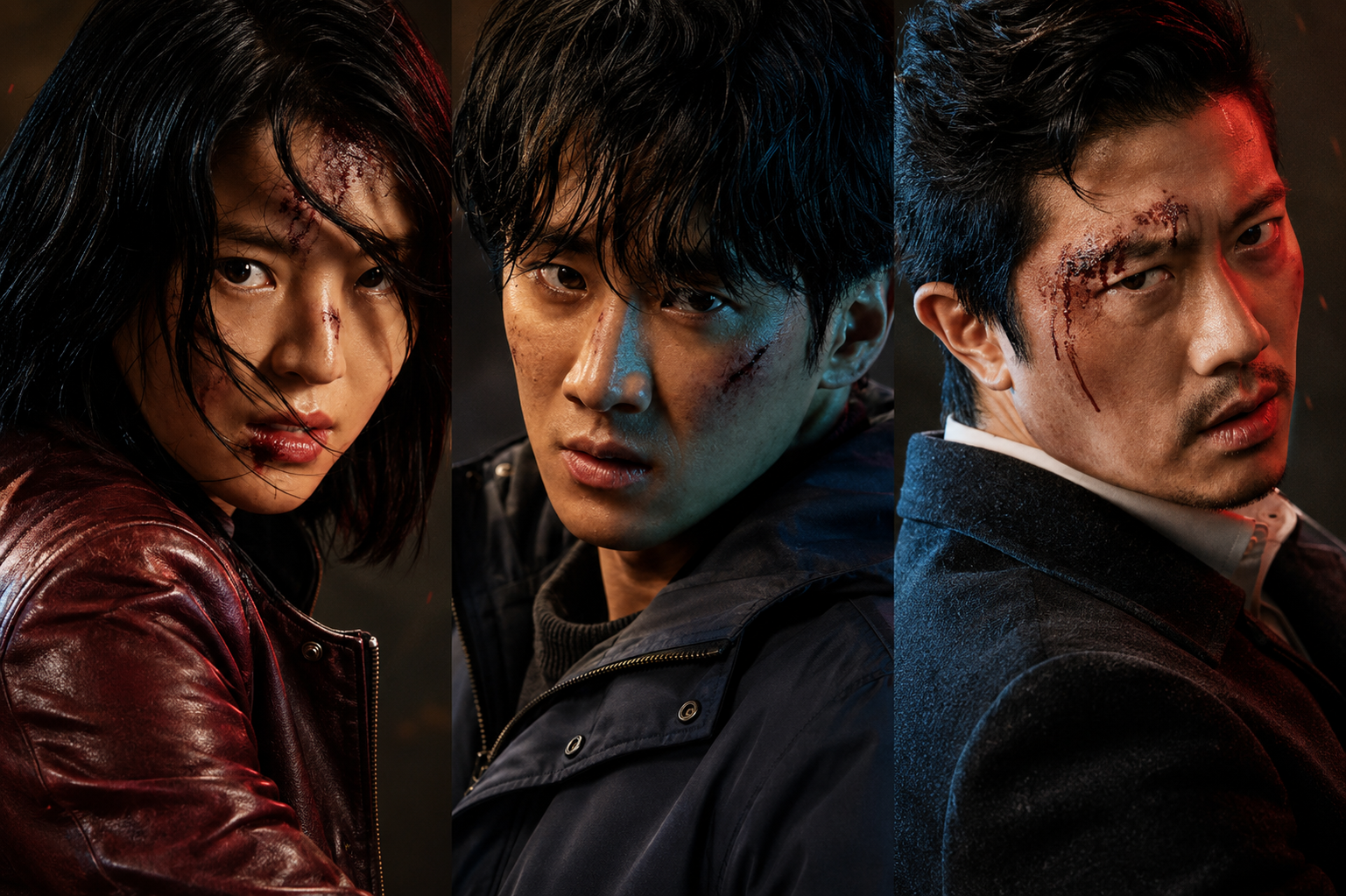
Han had already built a name for herself through roles in Money Flower, 100 Days My Prince, and The World of the Married before this, but My Name pushed her performance into a different register entirely — cold, controlled fury punctuated by moments where the grief underneath actually breaks through. Park Hee-soon, playing Mu-jin, matches her scene for scene, walking a careful line between paternal warmth and something far more calculating underneath. Ahn Bo-hyun rounds out the central trio as Pil-do, bringing a wounded decency to a character who's constantly being lied to by the one person he's chosen to trust.
Why It Hit So Hard, So Fast
My Name debuted on Netflix on October 15, 2021, and climbed to the top of the platform's most-watched list not long after Squid Game had already dominated global attention — a genuinely difficult act to follow, and one the show pulled off largely on the strength of its action choreography and refusal to pull punches, literally or otherwise. At just eight episodes, it's noticeably shorter than most K-dramas, and that compressed runtime works entirely in its favor — every episode moves with real urgency, with barely a scene that doesn't push the plot or the characters forward.
Despite the acclaim, the show was largely conceived as a self-contained story, and there's been no serious momentum toward a second season since — Ji-woo's arc reaches a genuine, if devastating, conclusion by the finale, and stretching it further would risk diluting what made the ending work in the first place.
A Revenge Story Worth Revisiting
What makes My Name linger, even years after release, isn't just the fight choreography or the twist — it's the refusal to let Ji-woo be a simple avenging angel. She lies, she betrays people who trusted her, she loses nearly everyone she lets herself care about along the way, and the show never pretends any of that comes free. It's a bleak, blood-soaked story, but it's also a genuinely well-constructed one, and for anyone who slept on it back in 2021 while Squid Game ate up all the headlines, it's more than earned a second look.