
Gyeongseong Creature: Fear of life without love
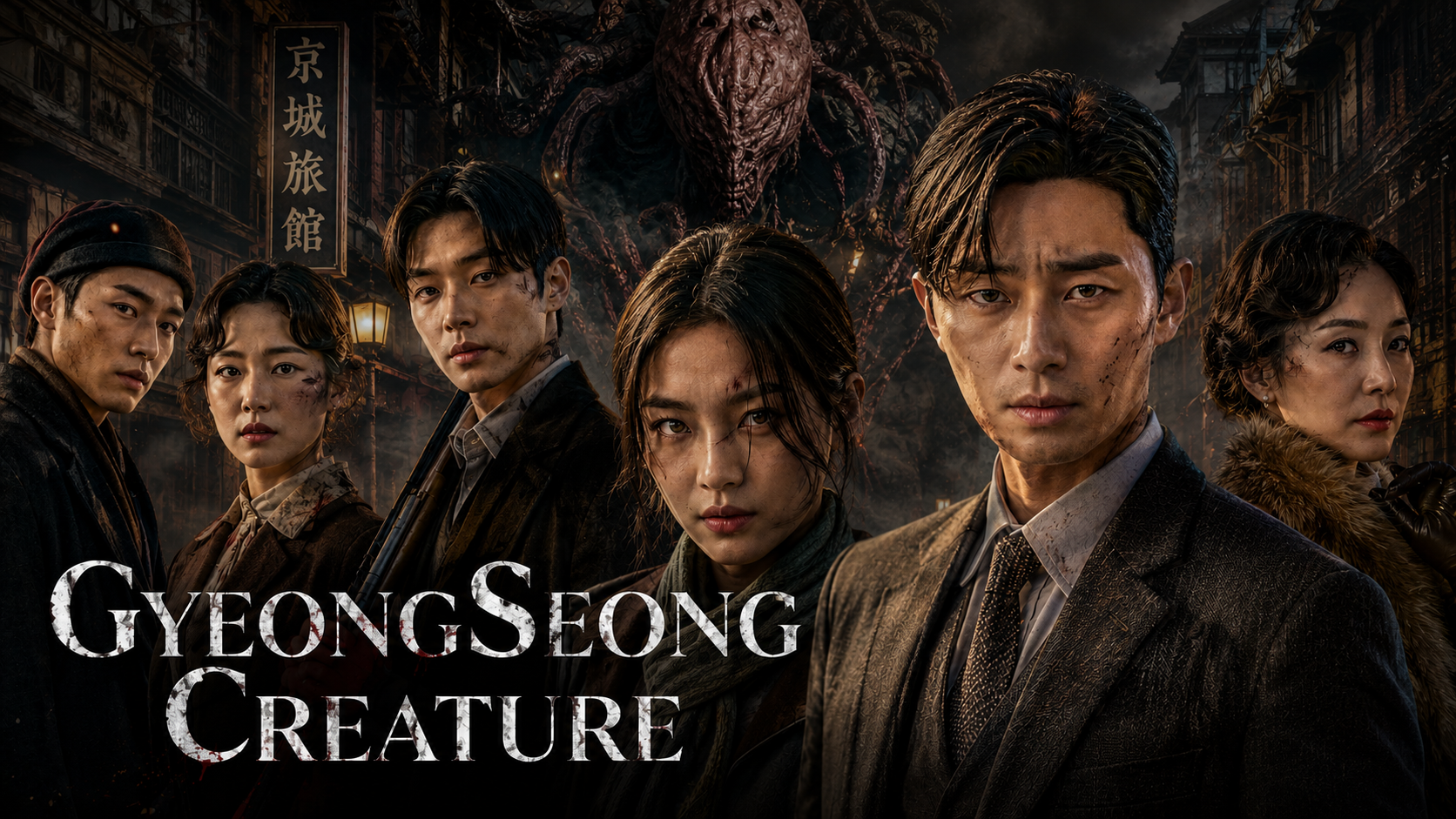
Some Korean dramas hook you with a single episode. Gyeongseong Creature took a slower path — a slow-burn wartime horror mystery that turned into a genuine phenomenon by the time its second season landed, largely on the strength of a love story that refused to stay dead across seventy years and two entirely different eras.
A Monster Born From Human Ambition
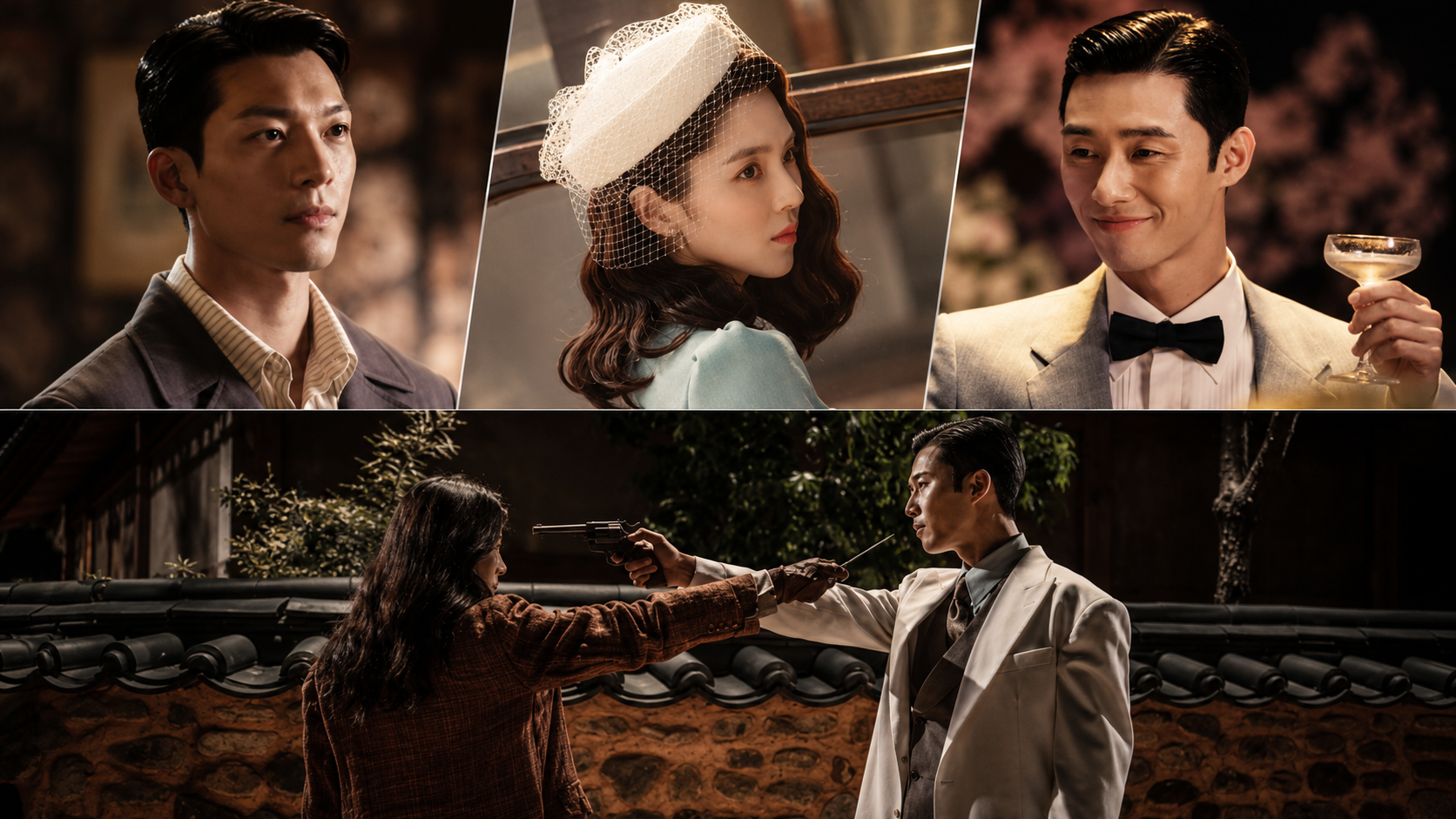
Set against the backdrop of Japanese-occupied Korea in the 1940s, Gyeongseong Creature opens on a grim premise: an entrepreneur and a sleuth, both trying to survive in a city under colonial rule, come face to face with a monster created by human cruelty rather than anything supernatural in origin. That framing is what separates the show from a straightforward creature-feature. The horror here isn't really about the monster itself — it's about what people are capable of doing to each other when unchecked ambition and wartime desperation collide.
Park Seo-joon plays Jang Tae-sang, a savvy businessman navigating occupied Gyeongseong (the historical name for Seoul), while Han So-hee plays Yoon Chae-ok, a sleuth investigating a series of disappearances that eventually leads both of them into the orbit of Japanese human experimentation, monstrous transformation, and a parasitic organism called the najin. The first season, which released across two batches in December 2023 and January 2024, follows the pair as they uncover a nefarious plot involving wartime medical atrocities and the creature born from it — all while their own relationship deepens against a backdrop that offers them almost no safety to fall in love in the first place.
A Finale Built to Devastate — and Then Undo Itself
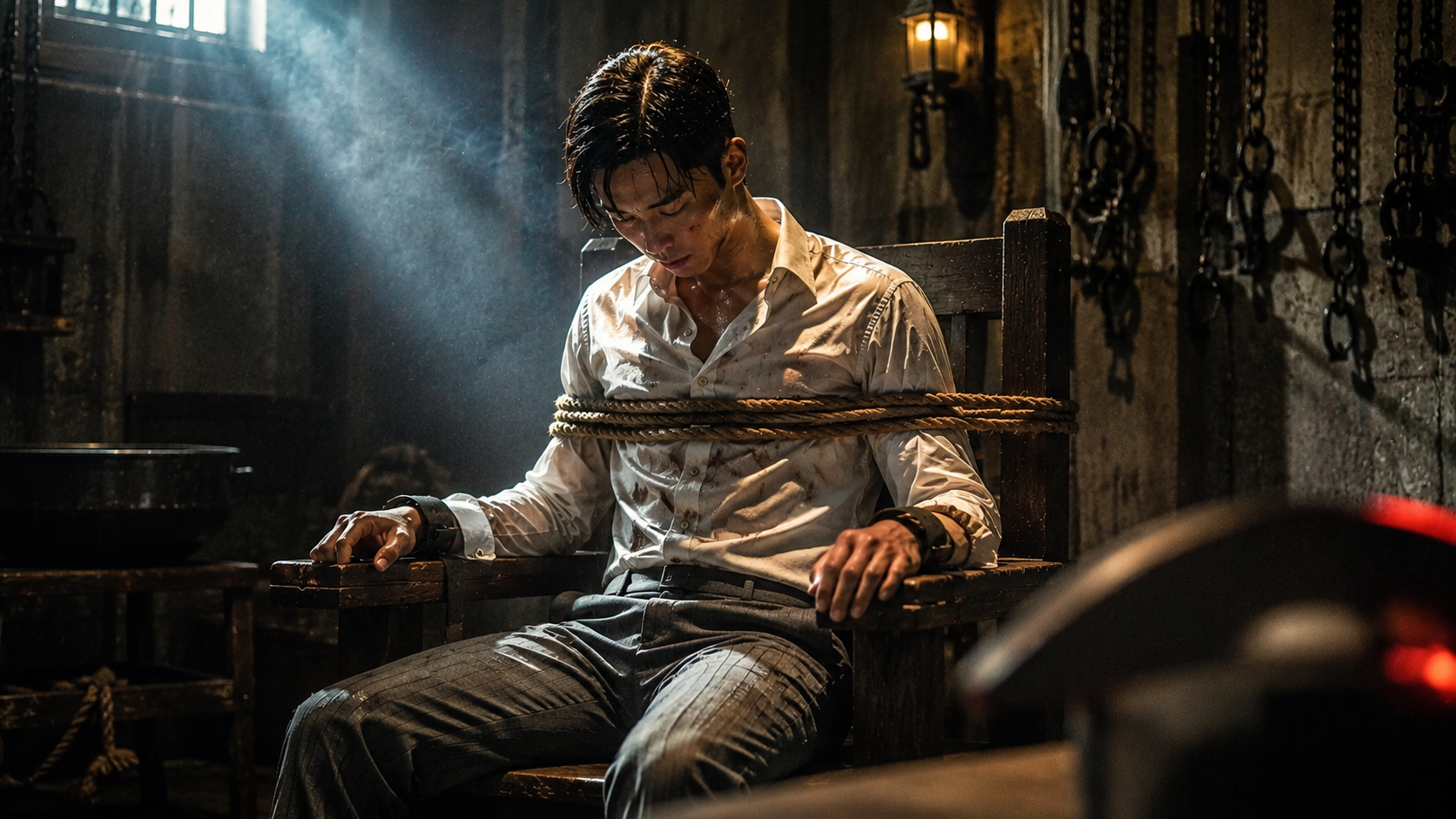
Season 1 didn't pull its punches on the way to its cliffhanger. Chae-ok, already wounded from a fight with Lady Maeda's henchmen and the monster itself, deliberately puts herself between her infected mother and Tae-sang to keep him from being killed — and her mother, barely in control of her own transformed body, ends up fatally wounding her in the process. It looks, for a stretch, like the show has genuinely killed off one of its two leads.
Then comes the twist that reframes the entire series. The finale's post-credits scene jumps decades into the future — footage of Korean history flashing across a television screen, all the way into the 2000s — revealing that Chae-ok didn't actually die. Her mother's life essence, and her najin, transferred into her at the moment of her supposed death, meaning Chae-ok survived, but at the cost of carrying the very parasitic organism that turned so many others in the show into monsters.
Season 2 Jumps Seventy Years and Reinvents the Whole Show
Rather than simply picking up where the cliffhanger left off, Gyeongseong Creature's second season — which premiered September 27, 2024 with seven episodes — takes its central characters entirely out of 1940s Gyeongseong and drops them into present-day Seoul, seventy years later. Chae-ok, now effectively immortal thanks to the najin she inherited from her mother, has spent the intervening decades working as a private investigator. Tae-sang, meanwhile, has also survived into the present, infected by his own encounter with the najin after Lady Maeda attacked him again seeking revenge.
It's an audacious structural swing for a show to make between seasons — trading its atmospheric wartime setting for a modern mystery-thriller register — but it pays off largely because the emotional throughline never actually breaks. Whatever era the show is set in, the story keeps circling back to the same question: what does it cost two people to keep finding each other across impossible spans of time, especially when one or both of them may not even remember why they feel so pulled toward the other.
A Finale That Mirrors Its Predecessor, Almost Exactly
Season 2's ending deliberately echoes the emotional structure of Season 1's, which is either a bold thematic choice or a slightly frustrating retread depending on who you ask. In the season's climactic stretch, Seung-jo — the son of the show's recurring antagonist, Lady Maeda — paralyzes Chae-ok's najin and has her thrown into a tank of water to drown as her mother's parasite is forcibly extracted from her body. Tae-sang, now going by the name Ho-jae in the present timeline, punches his way through the tank with his bare hands to save her.
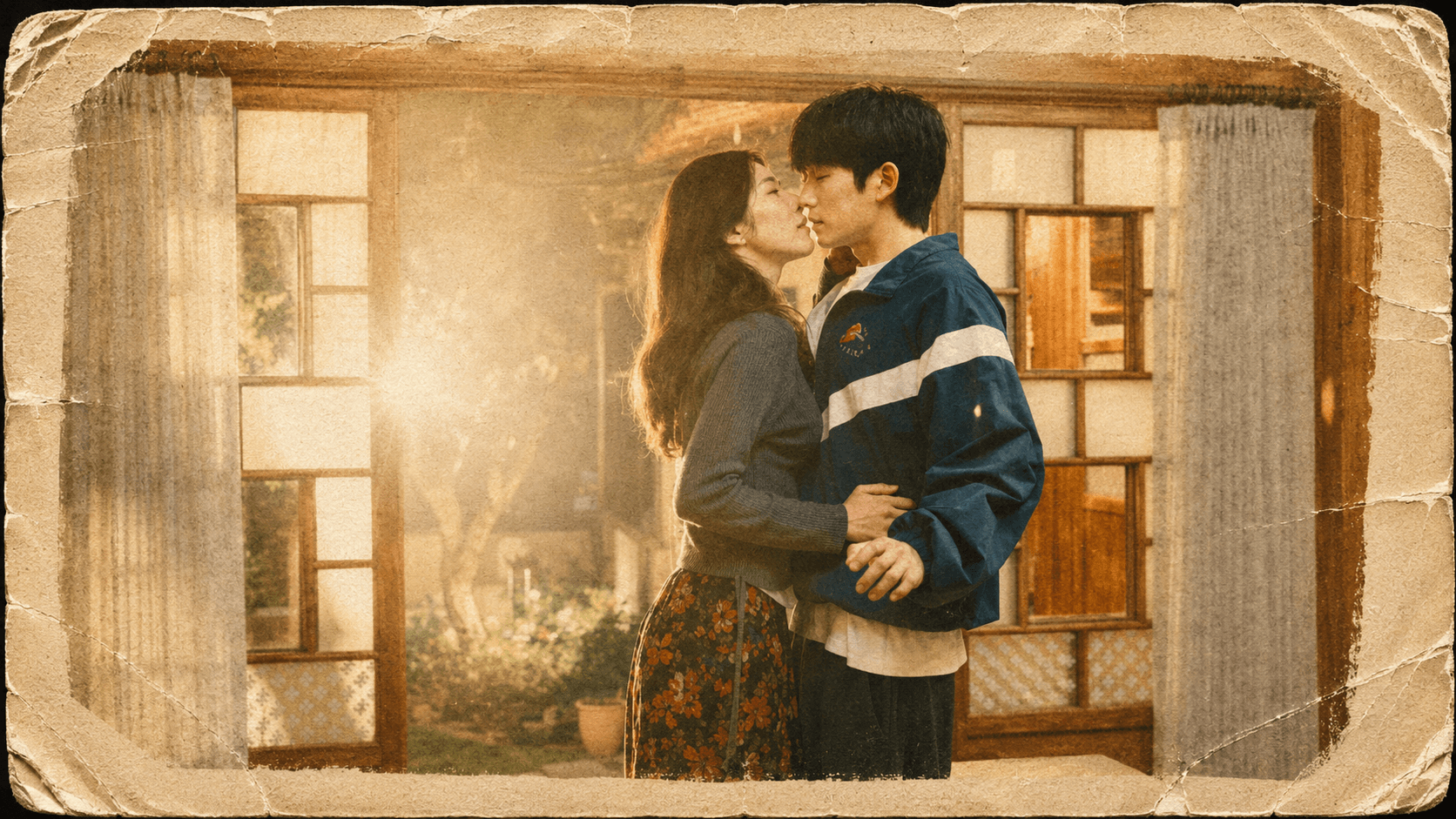
The season's actual final scene, though, is where the show earns its reputation for quiet emotional devastation rather than spectacle. In a flash-forward, Chae-ok is shown alive, now living an ordinary life with a new guardian, discussing school and mundane plans for her day. She mentions, in voiceover, a recurring dream in which she chases someone she can't identify, her heart aching every time she wakes from it. She's still wearing a bracelet from the 1940s. Walking down the street, a man steps out of a shop as she passes — and something in her stops her in her tracks, makes her turn around, unable to place why. He turns back too. Neither says a word. It's the kind of ending that trades a dramatic reunion for something quieter and, in its own way, more aching — a love story that survives even when the memory of it doesn't.
Why the Ending Practically Demands a Third Season
It's not hard to see why fans have been anticipating a Season 3 ever since that final scene aired. The show has now told essentially the same emotional story twice — two people, torn apart by circumstances outside their control, finding their way back to each other despite overwhelming odds — and both times it's ended on a note of ambiguous, hard-won hope rather than clean resolution. Leaving Chae-ok's memory of Ho-jae erased, but her body's instinct toward him intact, is the kind of unresolved thread that all but guarantees audiences will keep asking for more.
Han So-hee's Continued Ascent
For Han So-hee, Gyeongseong Creature represents another major showcase in a career that's been steadily building since her breakout in My Girl years earlier. Her performance across both seasons — playing essentially the same soul across two radically different eras, with two very different emotional registers — asks more of her than a typical single-timeline K-drama role would, and it's a big part of why the show has resonated as strongly as it has with international audiences. Playing a character who's simultaneously a hardened wartime investigator and, decades later, an immortal loner still haunted by a love she can't quite name requires a kind of tonal range that not every actor could pull off convincingly across two seasons.
A Genre That Keeps Reinventing Itself
Gyeongseong Creature also arrives at a moment when Korean television has been leaning hard into genre-blending horror — monster dramas, zombie narratives, supernatural thrillers — that use their fantastical elements as a lens for examining very real historical and human themes rather than as spectacle for its own sake. What makes this particular show stand out within that wave is its willingness to root its horror explicitly in a specific, painful chapter of Korean history — Japanese occupation and wartime experimentation — rather than treating its setting as decorative backdrop.
That grounding gives the show's central romance genuine weight. Tae-sang and Chae-ok aren't just star-crossed lovers dodging a monster; they're two people trying to hold onto something human and tender in the middle of an era explicitly designed to strip both away from them. Whether or not Netflix ultimately greenlights a third season, Gyeongseong Creature has already made its case for why that kind of story — one that takes both its horror and its love story equally seriously — keeps finding an audience willing to sit with it across decades, timelines, and everything in between.