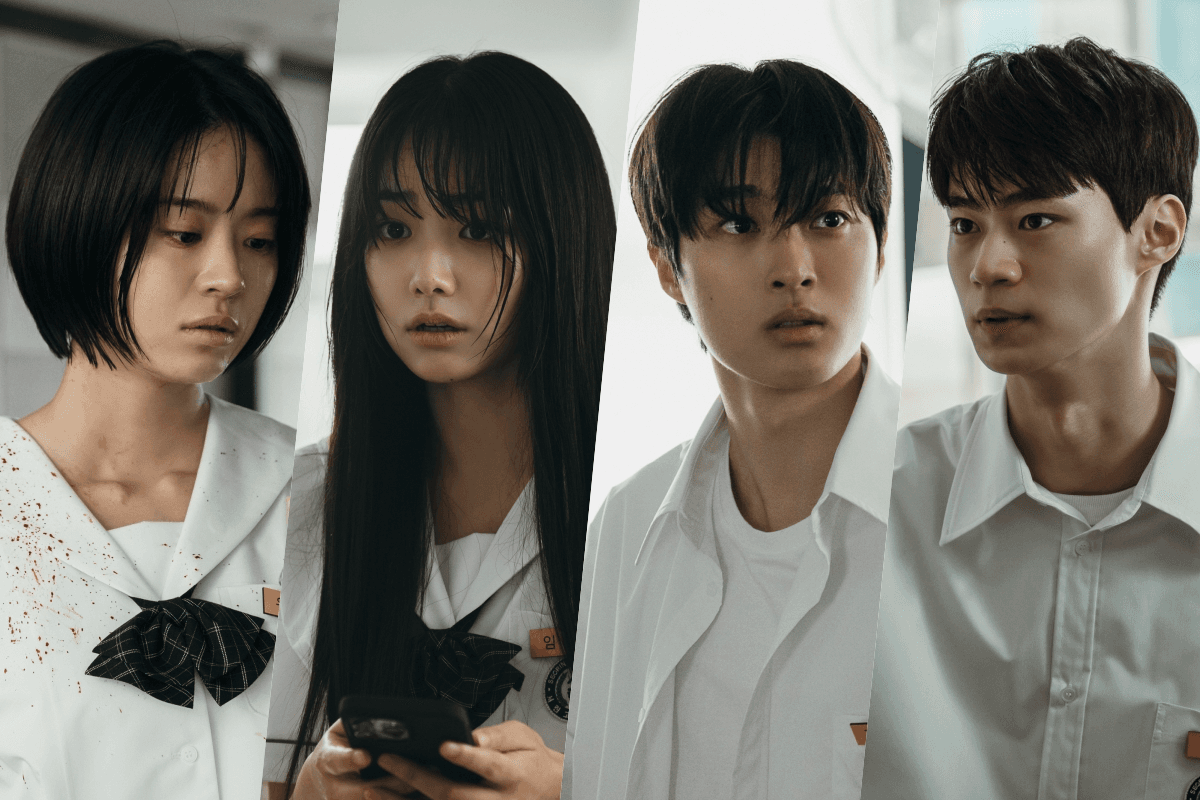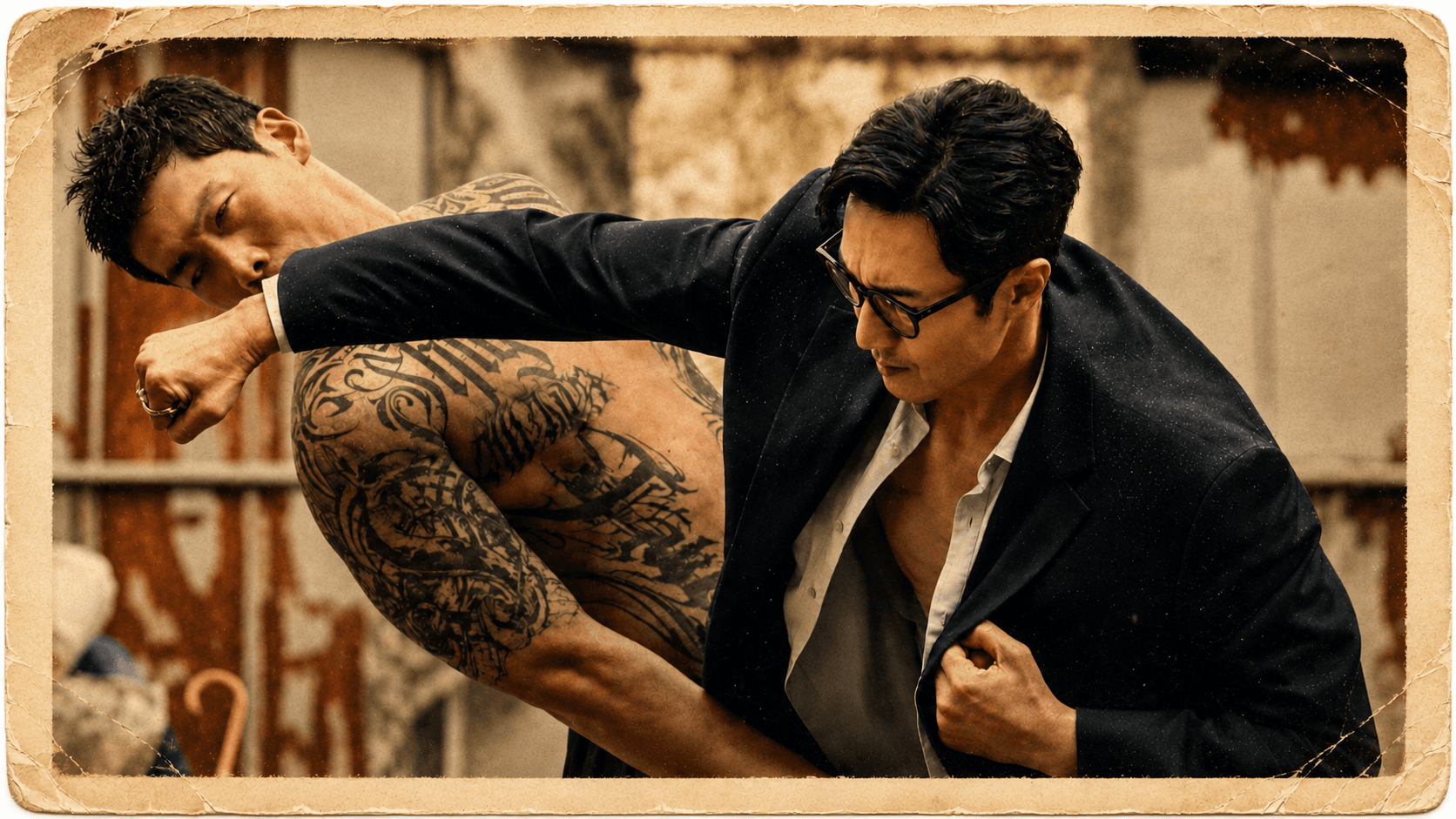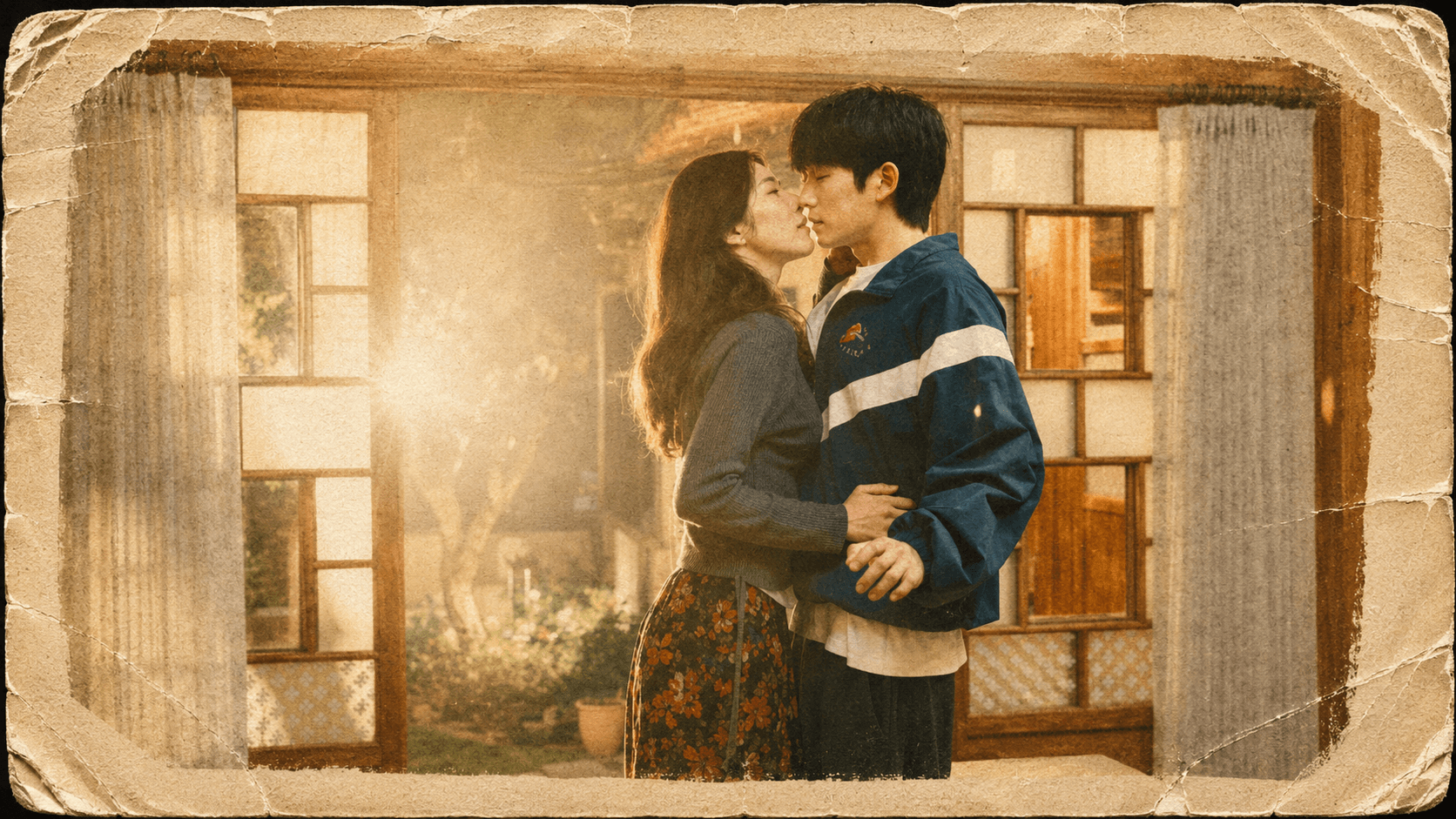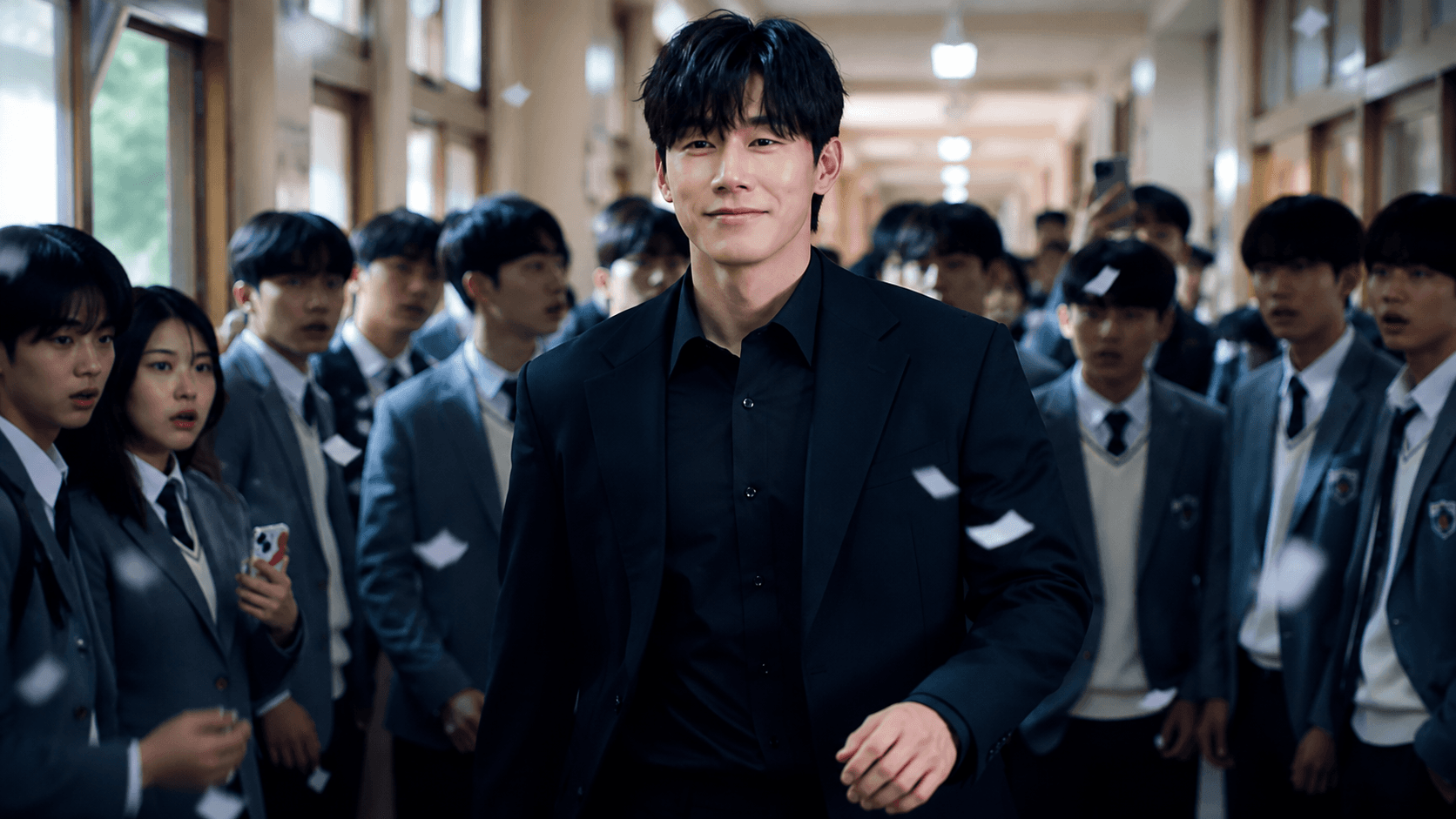
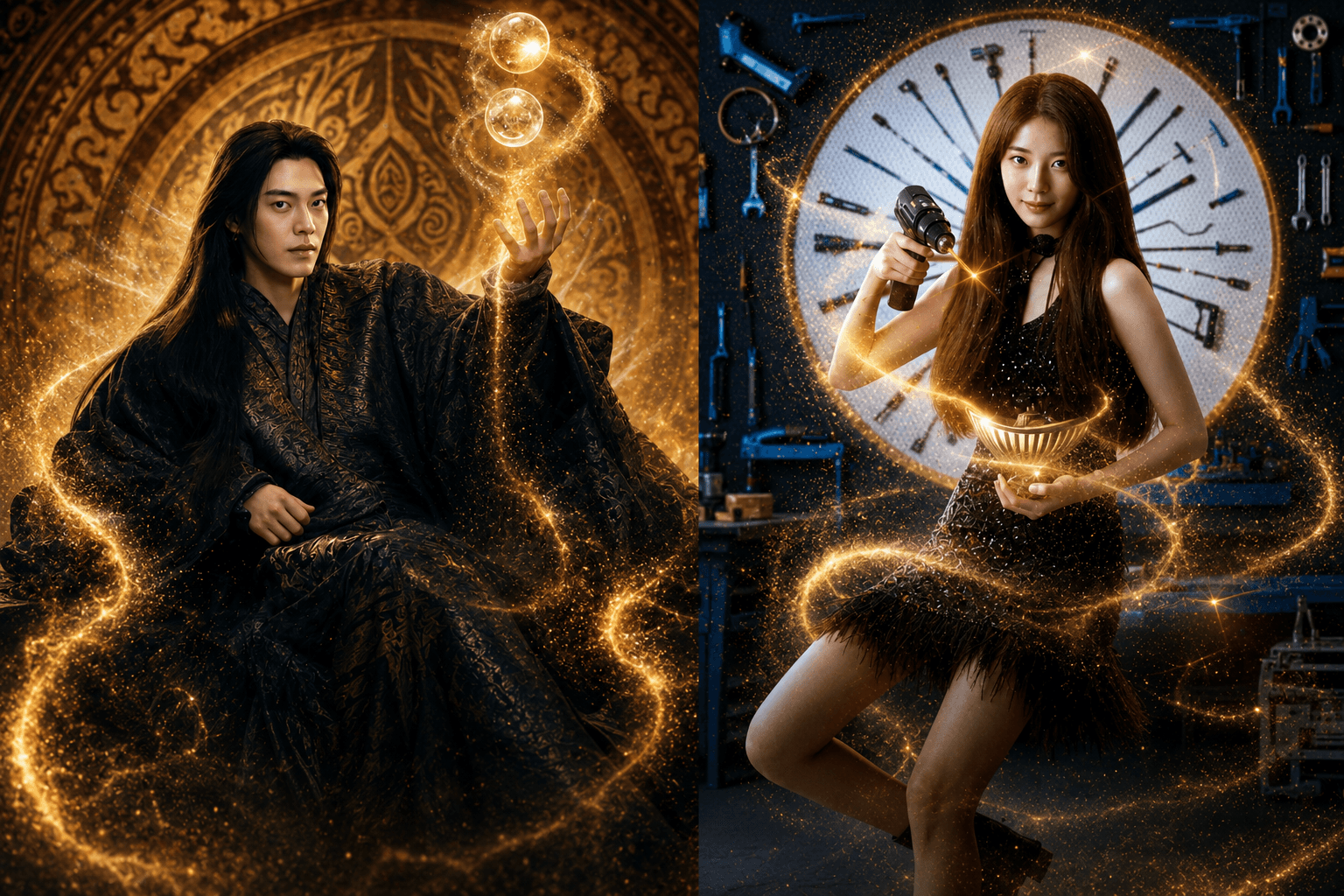
Genie, Make a Wish: A Cursed Genie, Three Wishes for others but nothing for him
Some shows sneak up on you. Genie, Make a Wish — known in Korean as Da Irueojil Jini, or "Everything Will Come True" — spent its first few episodes looking like a slick, familiar reunion vehicle for two stars people already loved together. By the finale, it had turned into something stranger, bloodier, and far more ambitious than its rom-com packaging let on.
A Reunion Nine Years in the Making
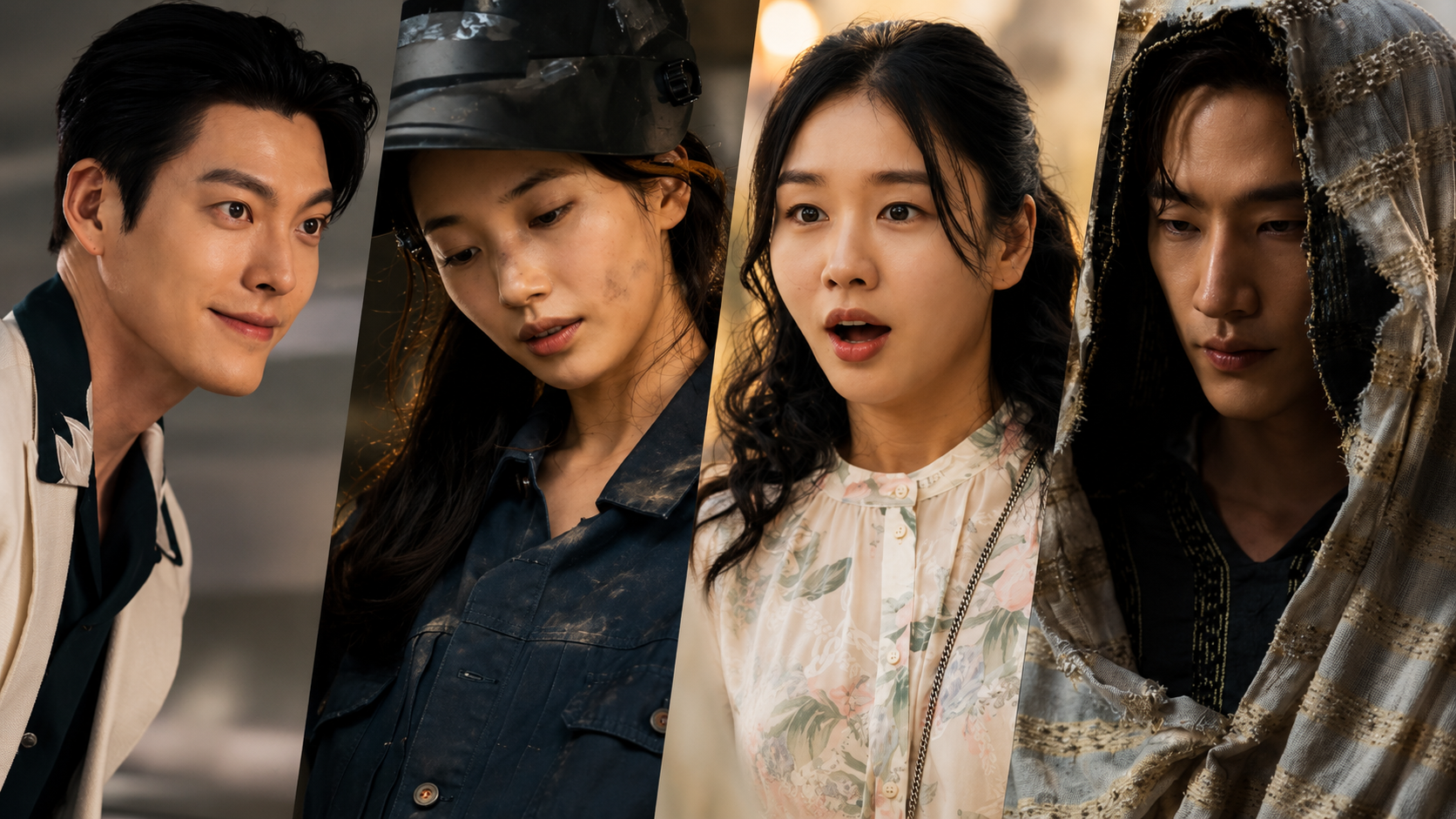
The series comes from director Ahn Gil-ho and writer Kim Eun-sook, the latter already something of a national institution thanks to hits like Goblin and Mr. Sunshine. But the real hook for most viewers was the pairing of Kim Woo-bin and Bae Suzy, reuniting for the first time since their 2016 melodrama Uncontrollably Fond tore hearts out across Asia. Fans had been waiting for these two to share a screen again for the better part of a decade, and Netflix clearly knew it — the streamer promoted the pairing as a long-awaited reunion audiences had been "wishing for." All thirteen episodes dropped on October 3, 2025, and the internet has barely stopped talking about it since.
Not Just Any Genie
Here's where the show starts subverting expectations. The genie at the center of the story isn't some cheerful Robin Williams type. Iblis struck a deal with God nearly a thousand years ago — he would prove that every human being is fundamentally corruptible by granting three wishes each, and if those wishes turned selfish, he'd drag the wisher's soul straight to hell. For centuries, the bet paid off. Every person who rubbed his lamp eventually asked for something greedy, cruel, or self-serving, confirming exactly what Iblis wanted to believe about humanity.
Then came one exception. A girl from the ancient Korean kingdom of Goryeo used all three of her wishes purely to help other people, right up until her death — and that single selfless act was enough to seal Iblis inside his lamp for 983 years. It's a gorgeous bit of mythology-building: the villain of the piece isn't punished for doing evil, but for being proven wrong.
Fast forward nearly a millennium, and the lamp resurfaces in the most modern setting imaginable. Ki Ka-young is a woman who essentially lacks emotion, someone who has spent her life being carefully managed by her grandmother to keep darker impulses in check. While on a trip abroad, she stumbles across the lamp buried in the sand and — almost carelessly — sets its occupant free.
Dubai Sand, a Grandmother's Grip, and a Bet Neither Expected to Lose
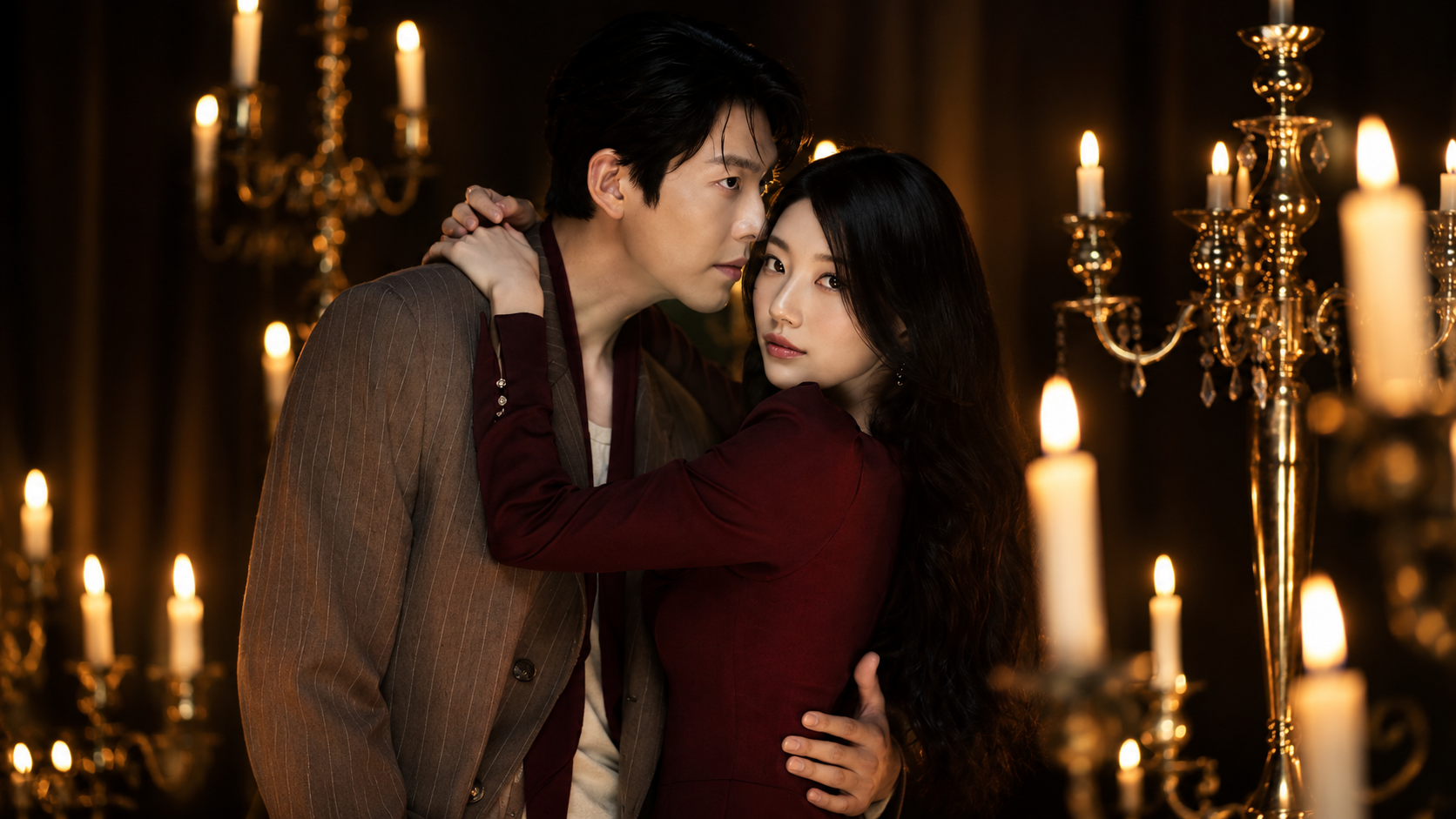
The story actually opens with Ka-young confronting her estranged mother in Dubai, and it's during that trip that she frees Iblis, seemingly indifferent to whatever he might offer her. That indifference is the whole joke and the whole tragedy rolled into one: here's a demon whose entire existence depends on humans wanting things badly enough to sell their souls for them, and his new master genuinely doesn't care.
Back in Korea, Iblis has to adjust to a country and a century he doesn't recognize while trying to manipulate Ka-young into making a selfish wish. The show gets a lot of comic mileage out of a centuries-old demon fumbling through smartphones, apartments, and modern etiquette, but it never loses sight of the bet underneath the bit. Ka-young's first wish — to corrupt others rather than herself — is granted, though she remains stubbornly hard to read. Her second wish is spent not on herself at all, but on her grandmother, the one person who's stood by her despite her emotional detachment.
Whether Ka-young is actually the "psychopath" she's been told she is, or simply someone who was never allowed room to feel anything, becomes the quiet emotional question running underneath all the fantasy chaos.
Song Hye-kyo Shows Up, and the Internet Loses It
If there's one moment that turned casual viewers into evangelists, it's the Episode 8 cameo. Song Hye-kyo appears as Jinniya, a fellow genie and Iblis's former lover, a character who knows the full story of the twenty years God erased from Iblis's memory. It's a short appearance, but it recontextualizes everything about Iblis's centuries of bitterness — and giving one of Korea's most recognizable actresses a role this loaded, this late in the run, is the kind of swing that only a writer with Kim Eun-sook's track record gets to take.
She wasn't the only surprise cameo. Daniel Henney turns up in Episode 4 as Ppoppi — a dog who asks Iblis to transform him into a handsome middle-aged man who happens to look exactly like Daniel Henney, which is exactly the kind of unhinged, self-aware gag that made the show's tonal whiplash work rather than collapse under its own ambition.

Five Wishers, One Bet, and a Finale Built on a Coin Flip
The endgame of the series hinges on a wager involving five separate people making wishes, with Iblis needing the majority to prove humanity's selfishness. Of the five, the deciding case is a struggling YouTuber who nearly burns through every wish chasing fame — before choosing, at the last possible second, to save his father-in-law instead. Three out of five choose selflessness. Ka-young wins the bet her entire arc has been building toward, and the show lands on a note that feels earned rather than sentimental: people are flawed, yes, but not beyond redemption.
The finale doesn't shy away from cost, either. Ka-young's grandmother — the one steady presence in her granddaughter's life — dies protecting her, and true to the show's unflinching streak, Ka-young's initial reaction isn't grief so much as confusion at not feeling grief the way she's "supposed" to. It's a bold choice for a mainstream romantic fantasy to sit with that discomfort rather than smoothing it over, and it's part of why the show has drawn comparisons to genre mashups like Lucifer rather than a typical K-drama weepie.
Why It's Sticking With People
Scroll through fan reactions and a pattern emerges: viewers routinely describe the back half of the show as the point where a fun but wobbly rom-com transforms into something genuinely emotional, particularly once the leads' shared past life comes into focus. Even fans who admit the plot gets chaotic keep circling back to the chemistry between Kim Woo-bin and Bae Suzy, calling their reunion worth the near-decade wait.
That's ultimately the trick Genie, Make a Wish pulls off. It sells itself as comfort food — two beloved stars, a magical lamp, a will-they-won't-they setup — and then quietly smuggles in a story about grief, emotional repression, and whether kindness is a choice or a wiring issue. Mythology this dense doesn't always survive contact with a rom-com framework. Here, somehow, it does.

An Ending That Doesn't Apologize for Itself
What makes the finale of Genie, Make a Wish linger isn't just the reunion — it's how unwilling the show is to let anyone off easy on the way there. A grandmother dies. A genie is executed by his own brother. A woman spends her entire life being told she's incapable of love, only to die from feeling too much of it all at once. And still, somehow, the show closes on something that plays as peace rather than punishment: two beings who spent a thousand years finding their way back to each other, finally free to just exist side by side, no wishes, no bets, no expiration date. For a series that started as a breezy reunion vehicle for two beloved stars, that's a remarkably bold place to land — and it's exactly why people are still talking about it.